Which UPS is Best for Home in South Africa 2026
24 December 2025
Power interruptions in South Africa are becoming increasingly common, and homeowners are seeking reliable solutions to ensure uninterrupted electricity. A UPS (Uninterruptible Power Supply) system is one of the most effective ways to protect your home appliances and maintain a steady power supply during outages. In my experience, selecting the right UPS can make a significant difference in energy efficiency, appliance safety, and overall convenience.
In this article, I will guide you through which UPS is best for home in South Africa 2026, including types, features, pricing considerations, and practical applications. This will help you make an informed decision for your household or small business setup.
Why Choosing the Right UPS Matters
A UPS provides immediate backup power during electricity outages, preventing damage to sensitive electronics like computers, televisions, and home appliances. From my perspective, a high-quality UPS ensures:
-
Continuous power supply during load shedding or blackouts
-
Protection against voltage spikes and electrical surges
-
Longer lifespan for electronic devices
-
Peace of mind for homeowners and small business owners
Selecting the right UPS is not just about power rating—it’s about reliability, efficiency, and compatibility with your home setup.
Types of UPS Systems for Home Use
Understanding the different types of UPS systems helps in making the best choice:
1. Offline / Standby UPS
This is the most basic UPS type, suitable for small home electronics.
Features:
-
Provides backup power during outages
-
Switches to battery power within milliseconds
-
Affordable and simple to install
Limitations:
-
Less effective for sensitive electronics
-
Provides limited surge protection
2. Line-Interactive UPS
A line-interactive UPS offers better voltage regulation and protection against fluctuations.
Features:
-
Automatically corrects minor voltage fluctuations without using battery power
-
Ideal for home offices and small appliances
-
Moderate pricing with better reliability
Limitations:
-
Slightly more expensive than offline UPS
3. Online / Double-Conversion UPS
This is the premium UPS type, providing clean, stable power regardless of grid conditions.
Features:
-
Continuous power supply with no transfer time
-
Protects sensitive electronics and home appliances
-
Ideal for high-end home setups and small businesses
Limitations:
-
Higher upfront cost
-
Requires professional installation
Key Features to Look for in a Home UPS
When selecting a UPS for home use, consider these features:
-
Power Rating (VA/Watt): Determines how many devices the UPS can support
-
Battery Type and Backup Time: Longer backup time provides more flexibility
-
Voltage Regulation: Protects devices from fluctuations and surges
-
LCD Display and Indicators: Provides real-time information on UPS status
-
Silent Operation: Important for residential settings
-
Warranty and Support: Longer warranty ensures reliability
From my experience, a UPS with line-interactive or online technology is ideal for homes that rely on sensitive electronics and appliances.
UPS Capacity and Home Applications
Small Home Setup
For basic household needs, such as lighting, fans, and laptops:
-
600–1000 VA UPS is sufficient
-
Provides 30–60 minutes of backup for essential devices
Medium Home Setup
For a larger home with multiple devices including TVs, computers, and kitchen appliances:
-
1500–2000 VA UPS is recommended
-
Supports several devices simultaneously with 1–2 hours of backup
High-End Home or Small Business
For homes with high power consumption or small offices:
-
3000–5000 VA online UPS provides continuous, stable power
-
Suitable for computers, refrigeration, and critical electronics
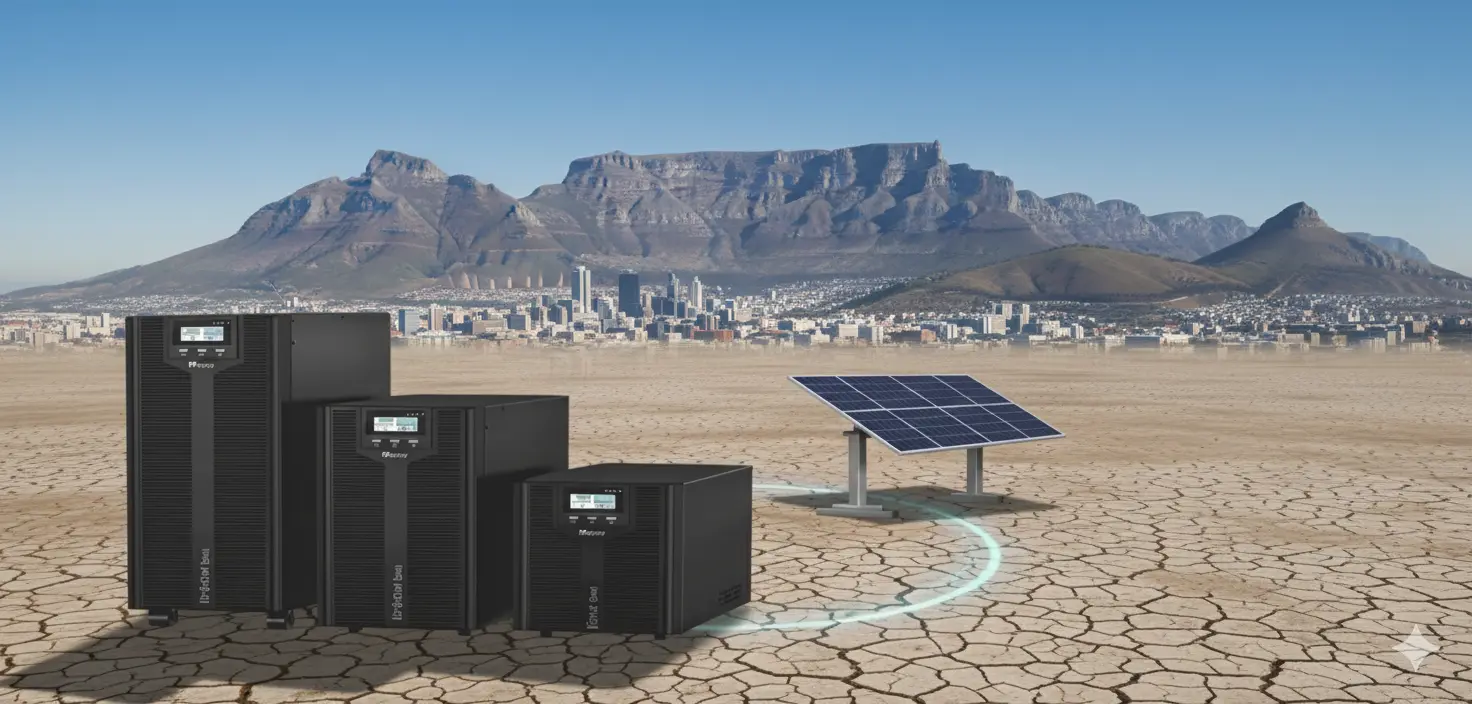
Lento UPS Solutions for South African Homes
Lento offers reliable UPS systems suitable for various home requirements. Key advantages include:
-
High-quality batteries for extended backup
-
Efficient voltage regulation for stable power
-
Compact design suitable for residential spaces
-
Easy installation and maintenance
Lento UPS systems are built to handle South African power conditions, ensuring safe and uninterrupted power for your home or small business.
Tips for Installation and Maintenance
Proper installation and care are crucial for long-term UPS performance:
-
Place the UPS in a cool, ventilated area
-
Avoid overloading the UPS beyond its rated capacity
-
Regularly check battery health and connections
-
Keep UPS away from moisture and direct sunlight
-
Schedule periodic professional maintenance for optimal performance
Following these tips maximizes backup duration and ensures device protection.
Lento India – Global B2B Solar Exporter
Lento India proudly exports solar and power solutions to 24 countries including Mexico, Chile, Peru, Ecuador, Dominican Republic, Afghanistan, Nigeria, Iraq, Uganda, Yemen, Syria, Iran, Oman, Morocco, Egypt, and Kuwait.
We supply solar panels, tubular batteries, SMF batteries, inverters, and Online UPS systems to global distributors, OEMs, and large-scale installers.
Lento India – Powering industries, homes, and communities across continents with trust and technology.
Frequently Asked Questions
1. Which UPS is best for home in South Africa 2026?
Line-interactive or online UPS systems from reliable brands like Lento are recommended.
2. How long does a home UPS last?
With proper maintenance, UPS systems typically last 3–7 years depending on usage and battery type.
3. Can a UPS support multiple home appliances?
Yes, but ensure the UPS capacity (VA/Watt) matches the total load of your devices.
4. Is an online UPS necessary for home use?
It is ideal for homes with sensitive electronics and high power consumption but comes at a higher cost.
5. How often should UPS batteries be replaced?
Typically every 2–5 years for lead-acid batteries; lithium batteries can last longer.
6. Can a UPS protect against load shedding?
Yes, a UPS provides immediate backup during outages and protects electronics from voltage spikes.
Conclusion
Selecting which UPS is best for home in South Africa 2026 is crucial for uninterrupted power and appliance protection. Lento UPS systems, with their reliable batteries and efficient technology, offer tailored solutions for homes and small businesses. Investing in a high-quality UPS ensures peace of mind, stable power, and long-term savings.
👉 Become our distributor in your state.