Which UPS Is Best For Home in India 2026 – New Update
10 December 2025
In today’s fast-paced world, uninterrupted power supply is no longer a luxury; it’s a necessity. With frequent power outages, voltage fluctuations, and the growing number of electronic appliances in Indian homes, choosing the right UPS (Uninterruptible Power Supply) has become critical. As someone who has explored various UPS solutions over the years, I’ll guide you through selecting the best UPS for home in India in 2026, considering reliability, battery life, technology, and trusted brands.
Understanding Home UPS Systems
A UPS is more than just a backup; it is a safeguard for your home appliances and electronics. It ensures continuous power supply during outages and protects your devices from voltage fluctuations and surges.
Why UPS Is Essential for Indian Homes
Power interruptions can disrupt daily life, spoil food, and damage sensitive electronics. Here’s why a UPS is vital:
-
Provides uninterrupted power to essential appliances such as fans, lights, and refrigerators.
-
Protects sensitive electronics like computers, laptops, and smart home devices.
-
Ensures energy-efficient operation without wastage during fluctuating power supply.
Types of UPS Suitable for Home Use
Different types of UPS are available in India, each catering to specific power needs and home setups.
1. Standby UPS
Standby UPS is a basic, cost-effective solution. It activates only when the main power fails.
Best for: Small homes or apartments with minimal electrical load.
Pros: Affordable, compact, easy to install.
Cons: Not suitable for heavy appliances, slight delay in switching.
2. Line-Interactive UPS
Line-interactive UPS automatically stabilizes voltage fluctuations while providing backup during outages.
Best for: Homes with moderate appliance usage and frequent voltage variations.
Pros: Better voltage regulation, suitable for multiple devices.
Cons: Slightly larger and more expensive than standby UPS.
3. Online UPS
Online UPS provides continuous power with zero transfer time, ensuring complete protection for sensitive devices.
Best for: Homes with high-tech equipment or critical electronics.
Pros: Excellent voltage regulation, no delay in switching.
Cons: Higher cost, larger footprint, more energy consumption.
Key Features to Consider in a Home UPS in 2026
Selecting a UPS involves more than just picking a brand. Here are key factors to consider:
1. Battery Type and Backup Capacity
-
Tubular Batteries: Long-lasting and ideal for frequent outages.
-
Lithium Batteries: Compact, lightweight, fast charging, and longer cycle life.
Tip: Calculate total appliance load to determine required backup hours.
2. Power Capacity
Choose a UPS that can handle your total home load. A 1–2 kVA UPS is sufficient for small to medium homes, while larger homes may require 3–5 kVA.
3. Technology and Efficiency
Modern UPS systems come with energy-efficient features, digital displays, and smart charging. These reduce electricity wastage and enhance battery life.
4. Safety Features
Ensure the UPS has built-in surge protection, short circuit protection, and overcharge prevention. These features safeguard both the UPS and connected devices.
5. Brand Reliability
Look for reputed brands and suppliers. Online UPS manufacturer, online UPS supplier, and online UPS trader networks can provide reliable products and after-sales support.
Top UPS Brands for Home in India 2026
In my experience, certain UPS brands consistently deliver reliability, performance, and support:
-
Lento: Known for hybrid UPS systems and smart battery management.
-
APC: Offers high-quality online UPS systems for sensitive electronics.
-
Microtek: Popular for tubular battery UPS with stable output.
-
V-Guard: Trusted for both line-interactive and standby UPS solutions.
-
Exide: Known for integrating UPS with robust battery performance.
When selecting, consider local service availability, warranty, and battery replacement options.
Tips for Maintaining Your Home UPS
Proper maintenance can significantly extend the lifespan of your UPS system:
-
Regularly check battery health and replace if efficiency drops.
-
Keep the UPS in a ventilated, dust-free environment.
-
Avoid overloading the UPS beyond recommended capacity.
-
Schedule annual service checks from certified suppliers.
Lento India – Global B2B Solar Exporter
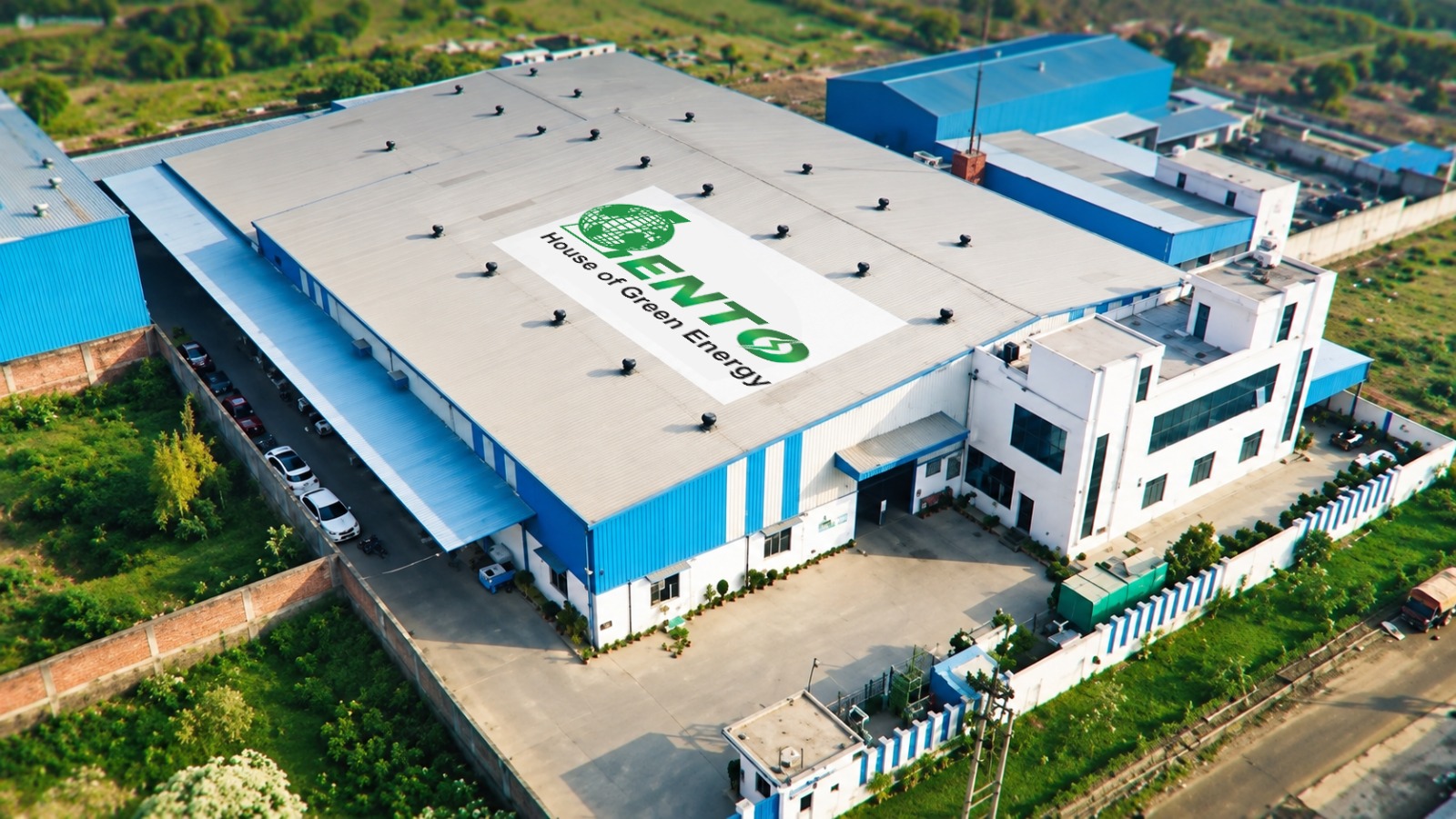
Lento India proudly exports solar and power solutions to 24 countries including Mexico, Chile, Peru, Ecuador, Dominican Republic, Afghanistan, Nigeria, Iraq, Uganda, Yemen, Syria, Iran, Oman, Morocco, Egypt, and Kuwait.
We supply solar panels, tubular batteries, SMF batteries, inverters, and Online UPS systems to global distributors, OEMs, and large-scale installers.
Lento India – Powering industries, homes, and communities across continents with trust and technology.
Conclusion
Choosing the best UPS for your home in India requires careful consideration of your power needs, budget, and reliability. Whether you opt for standby, line-interactive, or online UPS, ensure it is supported by a trusted online UPS manufacturer, online UPS supplier, or online UPS trader. Investing in a quality UPS not only ensures uninterrupted power but also protects your home appliances and electronics.
👉 Become our distributor in your state.
FAQ
Q1: What is the best type of UPS for home in India?
A: For small to medium homes, line-interactive UPS is ideal. For homes with sensitive electronics or heavy loads, online UPS is recommended.
Q2: How do I calculate the required UPS capacity?
A: Add the wattage of all appliances you plan to connect and select a UPS with at least 20–30% higher capacity.
Q3: How long does a home UPS battery last?
A: Tubular batteries last 4–5 years, while lithium batteries can last 7–10 years with proper maintenance.
Q4: Can I buy UPS online from suppliers in India?
A: Yes, online UPS manufacturer, online UPS supplier, and online UPS trader platforms provide reliable options with warranty and delivery services.
Q5: Does UPS protect against voltage fluctuations?
A: Yes, line-interactive and online UPS systems regulate voltage and prevent damage to appliances during surges.
Q6: Is lithium battery better than lead-acid for home UPS?
A: Lithium batteries are lighter, faster charging, and have longer life, but cost more. Lead-acid is cost-effective and widely used.
Q7: Can a UPS handle heavy appliances like refrigerators?
A: Yes, but you need a UPS with sufficient kVA capacity, usually above 2 kVA, depending on appliance load.