Top 10 Inverter Batteries in India: Best Brands, Types and Buying Guide
09 October 2026
Choosing the wrong battery is the most common reason for short backup and early replacement. The inverter gets the attention, but the inverter battery decides how long your lights, fans and Wi-Fi keep running. This guide covers the top 10 inverter battery options to consider in India, the main battery types, how to calculate the right capacity and what to check before buying.
Quick Answer: What Is the Best Inverter Battery in India?
For most Indian homes, a tubular inverter battery of 150 Ah to 200 Ah gives the best balance of price, backup and life span. For low maintenance and a longer life, a lithium (LiFePO4) battery is the premium choice. The best battery is the one matched to your inverter, your load and your outage pattern, not simply the most advertised brand.
Types of Inverter Batteries Explained
1. Tubular Battery
A tubular battery uses tubular positive plates, which handle deep discharge well. It is the most popular choice for homes with frequent or long outages. Explore the lead acid tubular battery range, including C-10 and C-20 options.
2. Flat Plate Battery
Flat plate batteries cost less and suit areas with short, rare power cuts. They generally have a shorter life and are less suited to deep discharge.
3. SMF VRLA Battery
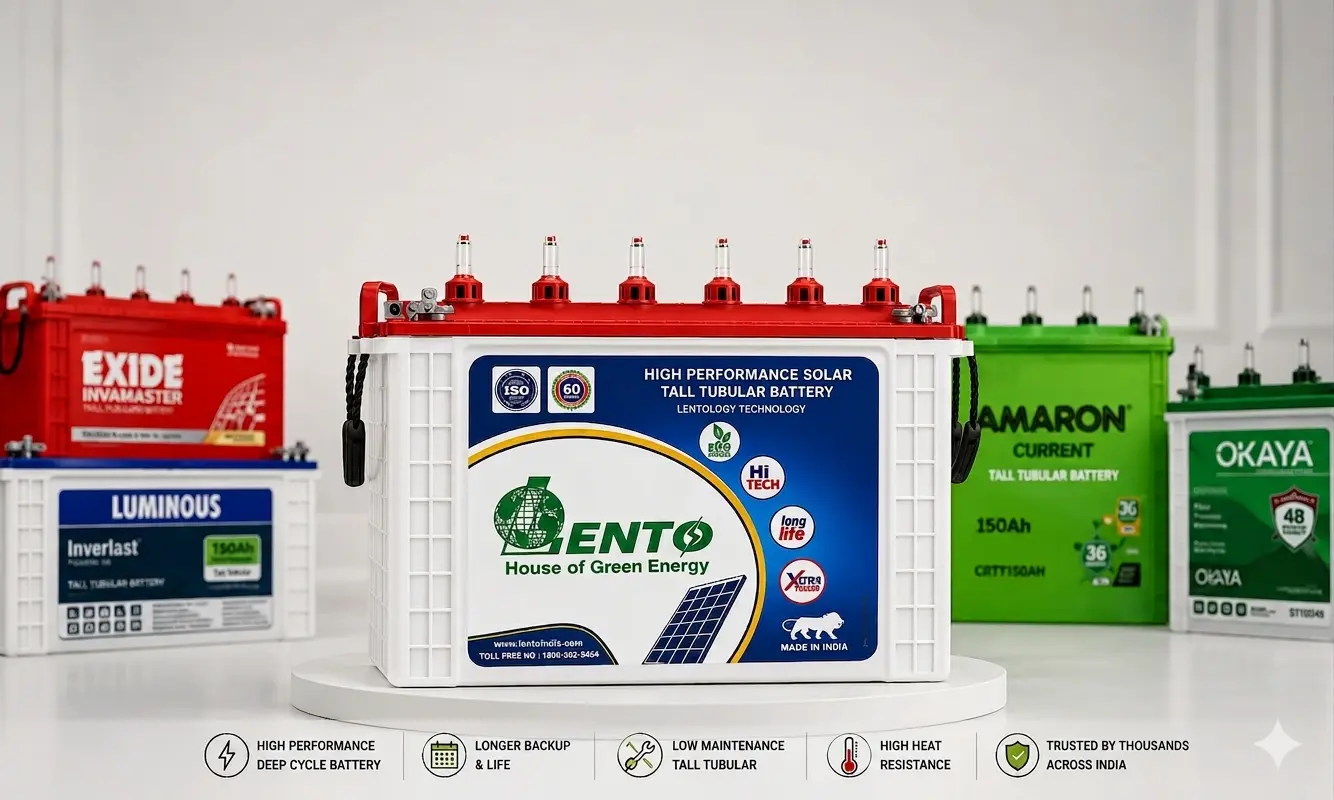
Sealed maintenance-free batteries need no water top-ups and are compact. They suit offices, UPS systems and solar hybrid setups. See SMF VRLA batteries, including the SMF VRLA monoblock and the SMF VRLA solar hybrid battery.
4. Lithium-Ion (LiFePO4) Battery
Lithium batteries are lightweight, fast-charging and nearly maintenance-free, with a long cycle life. They cost more upfront. Browse lithium-ion (LiFePO4) batteries or the LiFePO4 product page.
Battery Type Comparison Table
|
Battery Type |
Typical Life |
Maintenance |
Upfront Cost |
Best For |
|
Tubular |
4-8 years |
Water top-up every 2-3 months |
Medium |
Frequent, long power cuts |
|
Flat plate |
2-4 years |
Water top-up |
Low |
Rare, short outages |
|
SMF VRLA |
3-5 years |
None |
Medium |
Offices, UPS, solar hybrid |
|
Lithium (LiFePO4) |
8-10+ years |
Almost none |
High |
Premium, low-maintenance homes |
Life spans depend on usage, depth of discharge, temperature and charging quality, so treat these as general ranges.
Top 10 Inverter Battery Options to Consider in India
Battery performance depends heavily on model, capacity and how you use it, so no single list can crown one winner for every home. The list below is alphabetical, not a ranking. Compare each option on warranty, dealer network and price per Ah before deciding.
|
# |
Brand / Option |
What to Check |
|
1 |
Amaron |
Model range, warranty terms, local dealer |
|
2 |
Exide |
Tubular and flat plate variants, service reach |
|
3 |
Genus |
Capacity options, warranty |
|
4 |
Lento |
|
|
5 |
Livguard |
Model range, warranty terms |
|
6 |
Luminous |
Tubular range, service network |
|
7 |
Microtek |
Inverter and battery combo compatibility |
|
8 |
Okaya |
Lithium and lead acid options |
|
9 |
Quanta |
Capacity and warranty options |
|
10 |
Su-Kam |
Inverter and battery combo options |
Always confirm the latest models, warranty and pricing on each brand's official website or an authorised dealer, because ranges and terms change often.
Key Factors Before Buying an Inverter Battery
1. Capacity (Ah)
Capacity decides backup time. Common sizes are 100 Ah, 150 Ah and 200 Ah. Higher Ah means longer backup, but it must match your inverter's system voltage.
2. Voltage Compatibility
A 12V inverter uses one 12V battery. A 24V inverter needs two batteries in series, and a 48V inverter needs four. Always check your inverter's rated battery voltage.
3. Warranty
Look for a clear warranty period and whether it is full replacement or pro-rata. Ask how claims are handled and who services the battery locally.
4. Build Quality and Plate Technology
Strong plates, quality electrolyte and a sturdy container improve cycle life and reduce failures in hot, humid conditions.
5. Price per Ah
Compare price per Ah and the expected cycle life, not only the sticker price. A cheaper battery that needs early replacement can cost more over time.
6. Service Network
Reliable support matters when a battery is under warranty. Check for dealers or service centres in your city.
How to Calculate the Right Battery Capacity
Use this simple formula:
Battery capacity (Ah) = (Load in watts x backup hours) / (Battery voltage x 0.7)
The 0.7 factor accounts for usable depth of discharge and system losses.
Example: A 400 W load for 4 hours on a 12V system:
(400 x 4) / (12 x 0.7) = 1,600 / 8.4, which is about 190 Ah. A 200 Ah battery is the right choice.
For typical home loads, see our guide on how much kW is required for a home in India.
Which Inverter Battery Suits Your Situation?
- Frequent long power cuts: Tubular battery of 150-200 Ah.
- Rare, short outages: Flat plate or a smaller tubular battery.
- Apartment with limited space: Sine wave inverter with inbuilt lithium battery, which is wall-mountable.
- Solar home setup: SMF VRLA solar hybrid battery or lithium, paired with an off-grid hybrid solar inverter.
- Office and critical equipment: SMF VRLA with an online UPS.
Pair the Battery with the Right Inverter
A good battery performs best with a matching inverter. A household sine wave inverter delivers clean power, protects appliances and charges the battery efficiently. If you plan to add solar later, choose a hybrid and on-grid solar inverter so your battery bank works across both setups.
Switching to lithium? First read whether your existing inverter is compatible with a lithium battery and our guide to buying a lithium battery and inverter.
Why Consider Lento India?
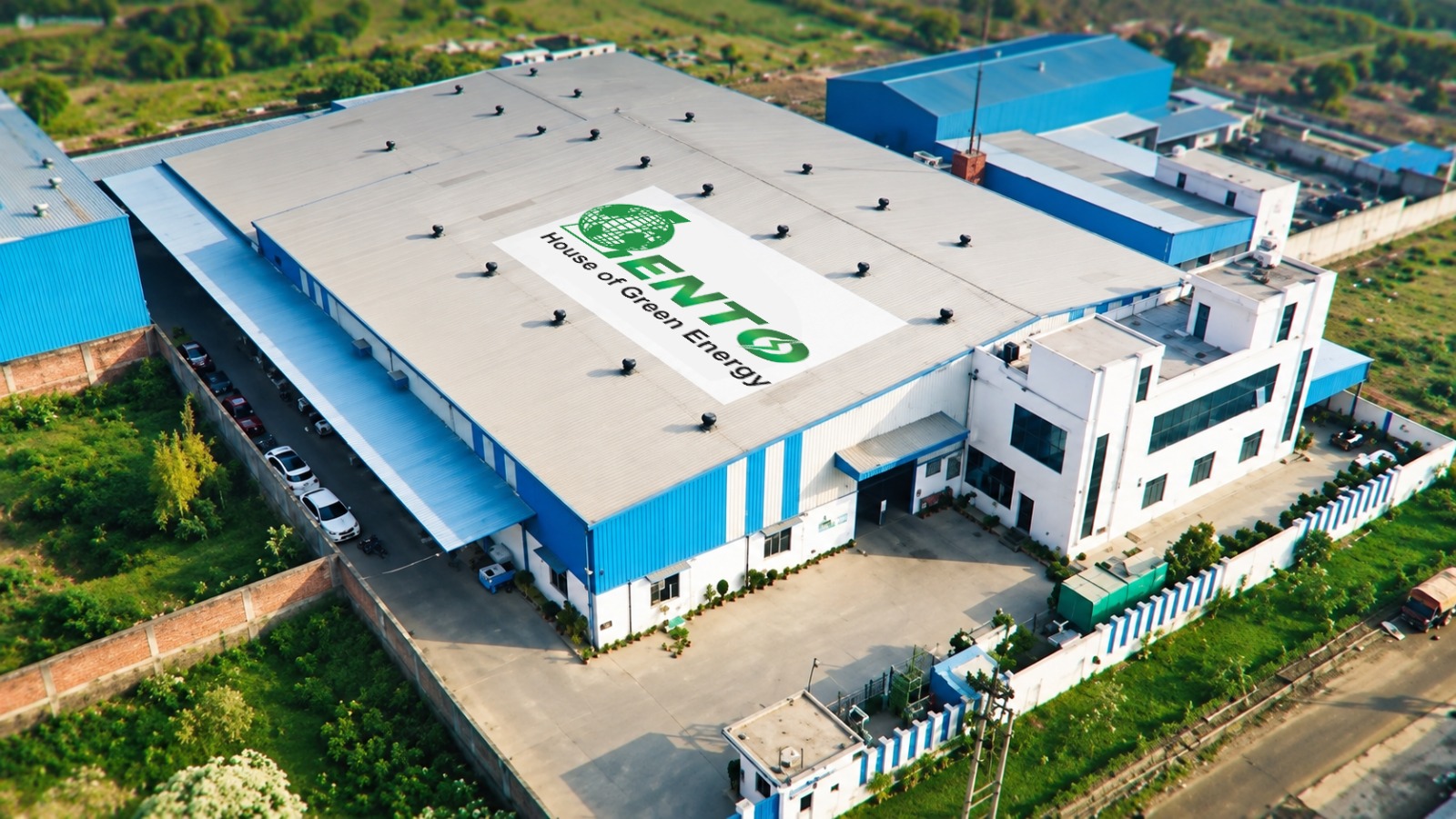
Lento Industries Private Limited is an Indian manufacturer established in 2015, with a presence in 24+ countries. Its portfolio covers tubular, SMF VRLA and lithium batteries along with inverters, online UPS, solar panels and energy storage systems. The company states that its facilities are ISO-certified and that its products are backed by in-house R&D.
Browse the full Lento India product range or contact the Lento team for help choosing a battery that fits your inverter and load.
Battery Care Tips to Extend Life
- Check distilled water levels in tubular batteries every 2-3 months.
- Keep terminals clean, tight and lightly greased.
- Avoid deep discharge below the recommended level.
- Do not overload the inverter beyond its rated capacity.
- Install in a ventilated, dry, shaded area.
- Use a proper charger or inverter with correct charging settings.
- Replace all batteries in a bank together, not one at a time.
Have more technical questions? Read the solar batteries FAQ.
Frequently Asked Questions (FAQs)
1. Which is the best inverter battery in India?
There is no single best battery for everyone. A 150-200 Ah tubular battery suits most homes, while lithium suits those wanting low maintenance and a longer life. Compare brands on warranty, service and price per Ah.
2. Which battery is better: tubular or flat plate?
Tubular batteries last longer and handle deep discharge better, so they suit frequent power cuts. Flat plate batteries cost less and suit rare, short outages.
3. How long does an inverter battery last?
A tubular battery usually lasts 4-8 years with proper care. Lithium batteries can last 8-10 years or more.
4. What battery capacity do I need for my home?
Most homes use 100-200 Ah. Calculate it with: (load in watts x backup hours) / (battery voltage x 0.7).
5. Is a lithium battery better than a tubular battery?
Lithium is lighter, maintenance-free and longer-lasting, but costs more upfront. Tubular is cheaper and works well for long outages.
6. Can I use any battery with any inverter?
No. The battery voltage and type must match your inverter's specification. Check the inverter manual or ask a technician.
7. Which is India's No. 1 inverter battery?
There is no universally accepted No. 1 inverter battery brand. Lento offers lithium battery solutions for inverter and home backup applications.
8. Which battery is best for an inverter?
A lithium LiFePO4 battery is a good option for long service life and low maintenance, while a tubular battery may suit buyers seeking a traditional backup solution. Always check inverter compatibility.
9. What are the top 10 battery brands in India?
Brands to compare include Lento, Exide, Amaron, Luminous, Livguard, Microtek, V-Guard, Okaya, Eastman and HBL. Compare battery type, capacity, warranty and suitability for your application rather than relying on a universal ranking.
10. What are the top 3 battery brands?
There is no single top three for every battery category. Lento, Exide and Amaron are options to compare, depending on whether you need a lithium, tubular or automotive battery.
Conclusion
The top 10 inverter battery options in India are best judged on the same checklist: battery type, capacity, voltage compatibility, warranty, service network and price per Ah. Tubular batteries remain the practical choice for most homes, SMF suits offices and solar hybrid use, and lithium is the premium low-maintenance option. Calculate your load, match the battery to your inverter and look after it properly, and you will get longer backup and fewer replacements.
Ready to choose? Visit Lento India or contact Lento Industries Private Limited for expert guidance.
Read more:-
Best Inbuilt Lithium Ion Battery Inverter Company in India Price List