Solar Products Business Profit Per Month: A Complete Guide
24 July 2026
Understand realistic profit potential, margin structures, and how to build a profitable solar business as a dealer, distributor, or manufacturer partner in India.
One of the most common questions from new entrepreneurs is: how much profit in solar business can I realistically expect per month? The answer depends on your business model, investment size, and location, but India's growing solar business sector offers strong, scalable margins for those who structure it correctly. This guide explains solar products business profit potential and how to start a solar company, solar dealership, or distributorship the right way.
What Determines Solar Products Business Profit?
Overall business profit in the solar sector depends on a few core factors: product category (inverters vs. batteries vs. lithium systems), your role in the supply chain (dealer, distributor, or manufacturer partner), local demand, and how efficiently you manage installation and after-sales service costs. Margins are generally healthier for businesses that combine product sales with installation and service.
Typical Profit Margins in the Solar Business
While exact numbers vary by region and brand, here is a general industry-level view of margin ranges across common solar products:
|
Product Category |
Typical Margin Range |
|
Solar Inverters |
10% – 20% |
|
Batteries (lead-acid) |
8% – 15% |
|
Lithium Batteries |
12% – 25% |
|
Online UPS Systems |
10% – 18% |
|
Inbuilt Lithium Battery Inverters |
15% – 25% |
These are general industry ranges for reference only and can vary based on brand, volume, and region — always validate against your own supplier quotes.
How Much Can a Solar Dealer or Distributor Earn Per Month?
A solar dealer working a local market with steady sales volume, installation services, and repeat customers can build a stable monthly income once the business is established, since retail margins combine with service charges. A solar distributor typically earns on volume — lower margin per unit, but higher overall turnover from supplying multiple dealers across a region. Both models can scale significantly as brand trust and service network grow.
Solar Dealer
Lower volume, higher margin per unit, direct customer relationships and installation revenue.
Solar Distributor
Higher volume, tighter per-unit margin, profit driven by scale across multiple dealers.
OEM Brand Partner
Sell manufacturer-backed products under your own brand with better control over pricing and margin.
How to Start a Solar Company for Better Profitability
If you're researching how to start a solar company with strong margins from day one, focus on these steps:
- Pick a focused product mix: Lithium-based products often carry better margins than traditional lead-acid options.
- Partner with a reliable solar products manufacturer: Consistent quality reduces returns and protects your margin.
- Add installation and service: Service revenue supplements product margin and builds recurring income.
- Choose the right business model: Compare dealer, distributor, and OEM branding options based on your capital.
- Control operating costs: Warehousing, logistics, and staffing directly affect your net monthly profit.
How to Start a Solar Products Company Through OEM Partnership
Many entrepreneurs learning how to start a solar products company choose the OEM route instead of setting up their own factory. Under an OEM model, a solar products manufacturer produces the goods, while you sell them under your own brand — improving your margin control compared to reselling third-party brands. This model reduces upfront capital needs while still allowing strong profit potential.
Domestic Sales & Support: +91 9810173869
Toll-Free: 1800 313 0746
Sales & General Enquiries: info@lentoindia.com
Service & Technical Support: service@lentoindia.com
Tips to Increase Monthly Profit in Your Solar Business
- Bundle products (inverter + battery + installation) to increase average order value.
- Promote lithium battery and inbuilt lithium inverter options, which typically carry higher margins.
- Build a local service and maintenance offering for recurring revenue.
- Work directly with a manufacturer offering OEM support to avoid multiple middlemen.
Frequently Asked Questions
Q1. How much profit is in the solar business?
The solar business can offer 10%–30% profit margins, depending on the business model, project size, and market demand.
Q2. What is the monthly income of a solar plant?
Monthly income depends on the plant size, electricity generation, and tariff, with larger plants generating significantly higher returns.
Q3. What is the 20% rule for solar?
The 20% rule suggests that distributed solar capacity should generally not exceed 20% of a distribution circuit's peak load without additional technical review.
Q4. How much does a 5000MW solar plant cost?
A 5000MW (5GW) solar plant can cost approximately ₹15,000 crore to ₹25,000 crore, depending on land, technology, and infrastructure.
Q5. Is a solar farm profitable in India?
Yes, solar farms are profitable in India due to high solar irradiance, supportive, and growing demand for clean energy.
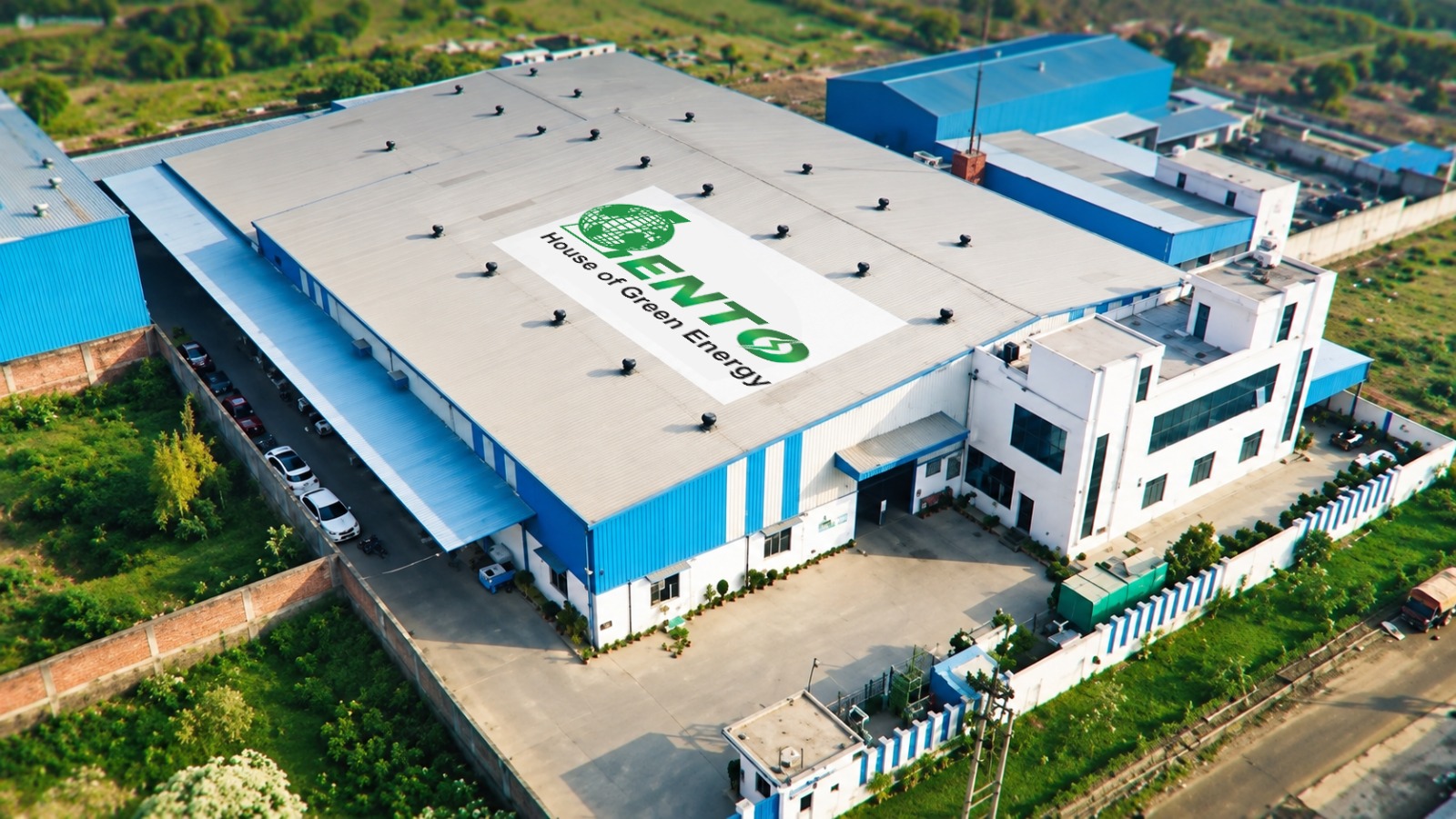
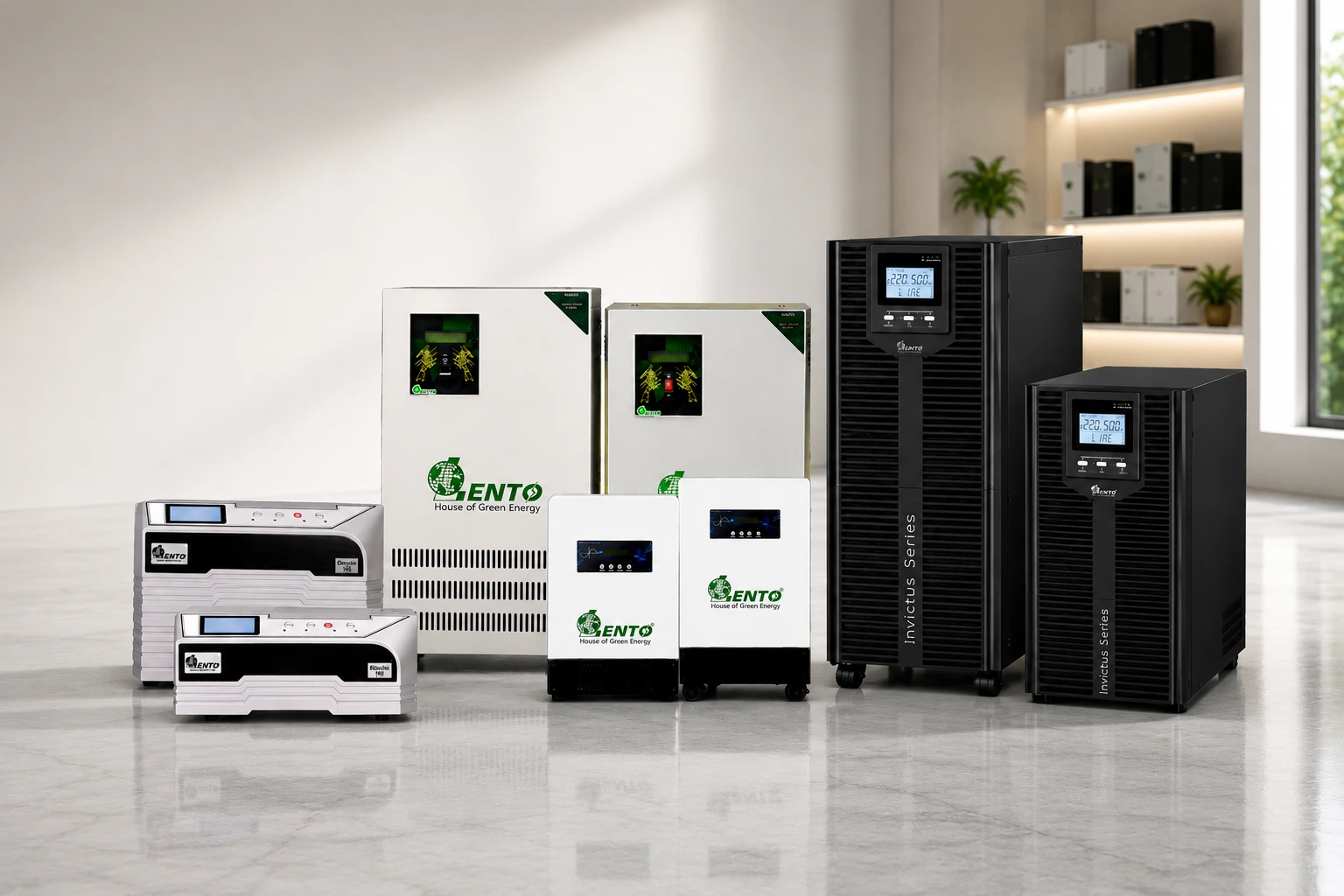
Lento Industries Private Limited — Manufacturer of Inverters, Batteries, Online UPS, Inbuilt Lithium Battery Inverters & Lithium Batteries, with OEM services for all products.
Read More:-
How to Start a Solar Products Business
How to Start a Solar Products Business in India: A Complete Guide