Solar Products Business Franchise in India: Complete Guide to Investment & Profit
25 July 2026
A solar products business franchise is an excellent opportunity for entrepreneurs looking to enter India's fast-growing renewable energy market with the backing of an established brand. Whether you want to become a solar products dealer, distributor, franchise partner, or authorized reseller, partnering with a trusted solar products manufacturer gives you access to quality products, technical support, and long-term business growth.
If you're planning to start a solar products business franchise, this guide covers everything you need to know—from selecting the right franchise model and understanding the investment required to choosing a reliable manufacturing partner. Whether you plan to sell inbuilt lithium battery inverters, solar inverters, lithium batteries, online UPS, e-rickshaw, or complete solar solutions, you'll find practical insights to help you build a successful and profitable solar products business in India.
Why Start a Solar Business in India?
A solar business in India offers strong long-term potential because demand spans homes, offices, farms, and industries. Falling equipment costs, easier financing options, and growing demand for renewable energy have made the solar industry one of the most accessible and profitable sectors to enter, whether you plan to sell finished products or manufacture your own solar product line.
Growing Demand
Rising power tariffs are pushing homes and businesses toward solar backup systems.
Low Entry Barrier
Dealership and distributorship models let you start without heavy manufacturing investment.
How to Start a Solar Company: Step-by-Step
Here is a practical roadmap for anyone asking how to start a solar company from scratch:
- Market research: Study demand in your target region — residential, commercial, or agricultural solar users.
- Business registration: Register your firm (proprietorship, partnership, or private limited company) and obtain GST registration.
- Choose your business model: Decide whether you'll operate as a solar dealer, solar distributor, or work directly with a solar products manufacturer under an OEM arrangement.
- Arrange working capital: Factor in inventory, showroom/warehouse space, and initial marketing spend.
- Partner with a reliable manufacturer: Product quality and after-sales support depend heavily on this choice.
- Build local service capability: Installation and after-sales service build trust and repeat business.
How to Start a Solar Products Company: Manufacturing vs. Trading
There are two broad paths when learning how to start a solar products company. You can set up your own manufacturing unit — which requires significant capital, technical expertise, and quality certifications — or you can partner with an established solar products manufacturer that offers OEM (Original Equipment Manufacturer) services. Under an OEM model, you sell products under your own brand name while the manufacturer handles production, quality control, and technical R&D. This significantly lowers the barrier to entry for new entrepreneurs.
Solar Dealer vs. Solar Distributor: Which Model Fits You?
A solar dealer typically sells directly to end customers in a specific local area, focusing on retail sales, installation, and service. A solar distributor operates at a larger scale, supplying products to multiple dealers or retailers across a state or region and managing bulk inventory. Choosing between the two depends on your available capital, target market size, and whether you prefer direct customer relationships or a wholesale-focused model.
Choosing the Right Solar Products Manufacturer and OEM Partner
Your manufacturing partner shapes your brand's reputation. Look for a solar products manufacturer that offers:
Wide Product Range
Inverters, batteries, online UPS, lithium battery inverters, and lithium batteries under one roof.
OEM Flexibility
Custom branding, packaging, and specifications for your business.
Quality & Compliance
Certified components and consistent after-sales technical support.
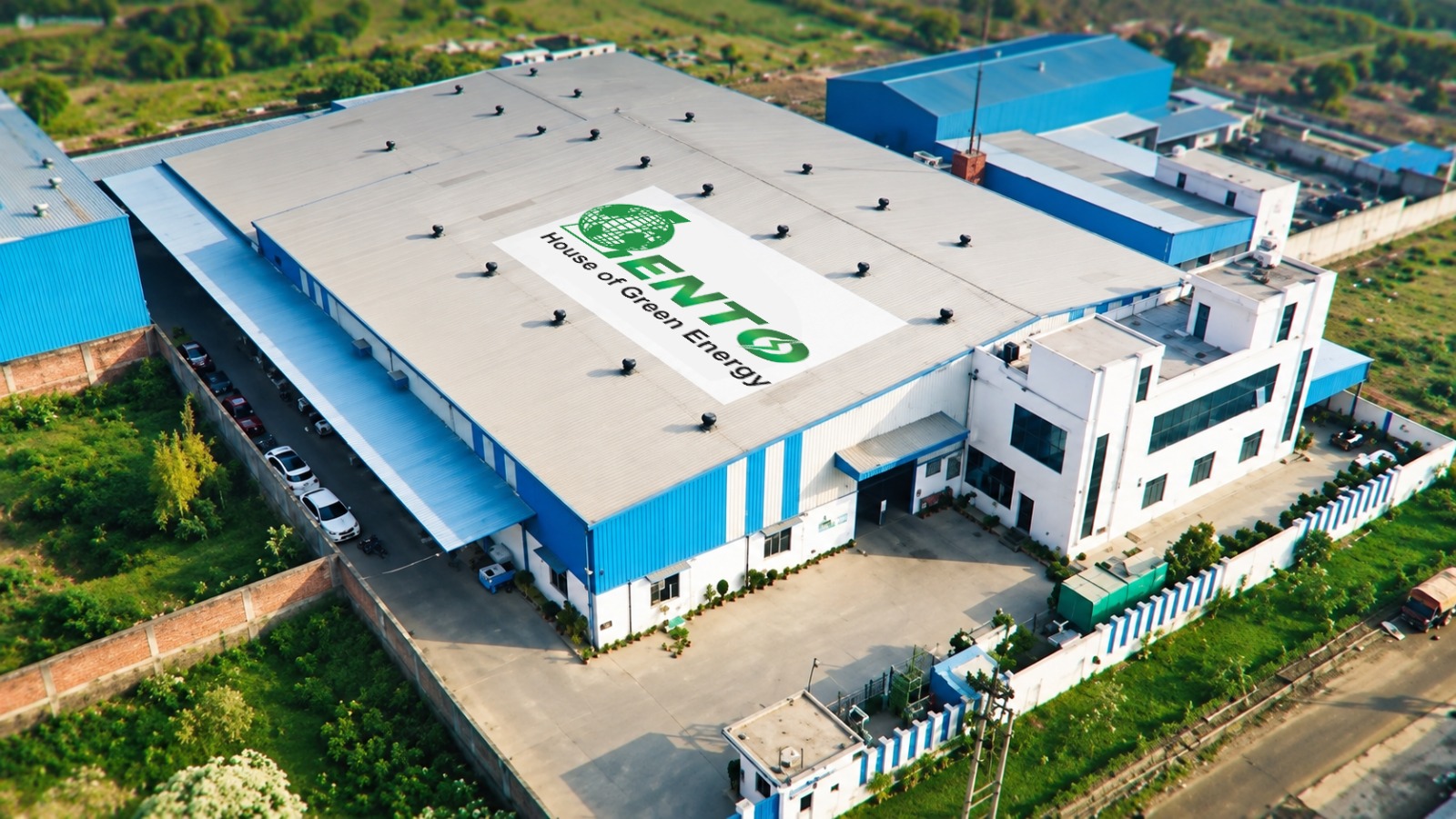
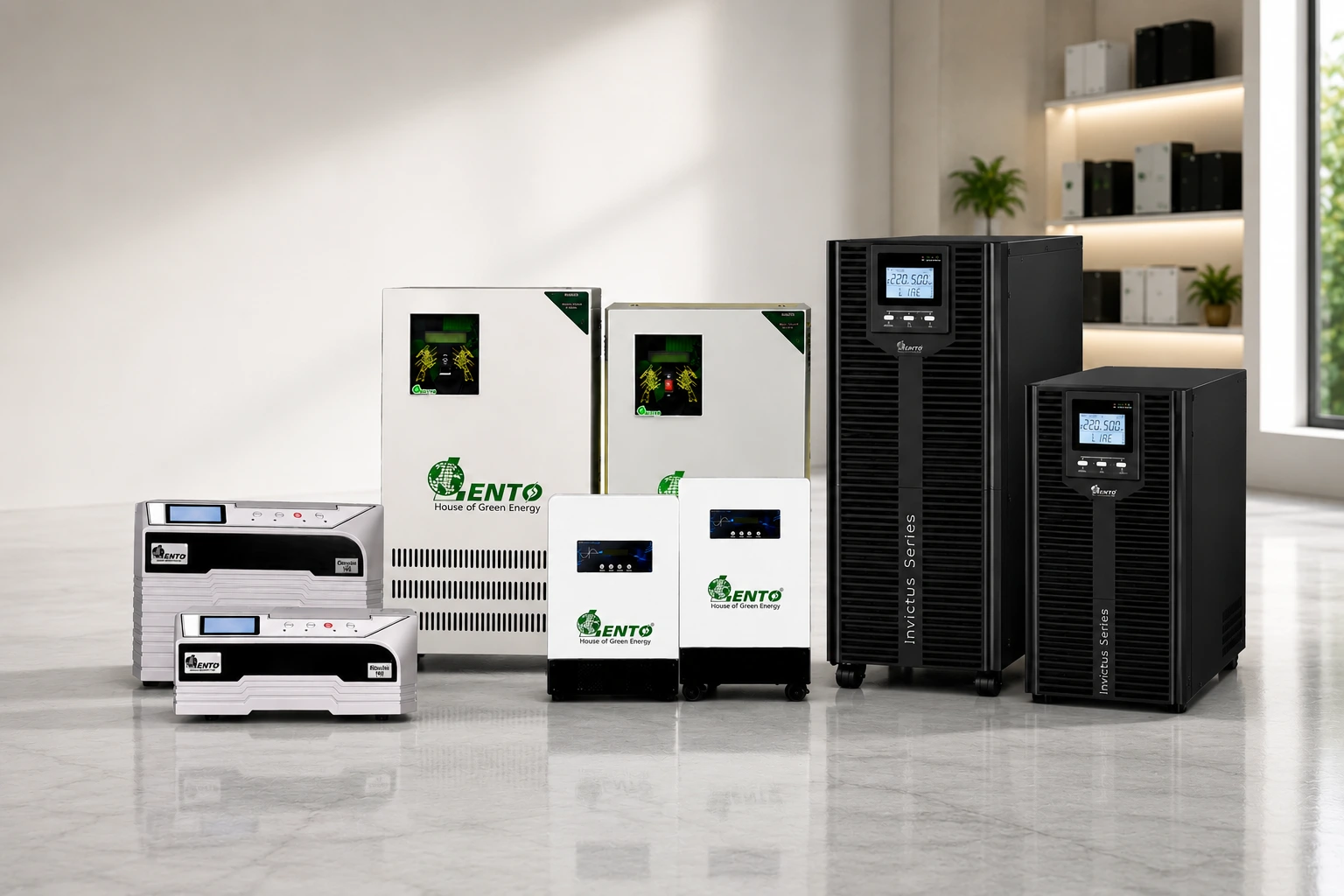
Lento Industries Private Limited manufactures a full solar and power-backup product range — inverters, batteries, online UPS systems, inbuilt lithium battery inverters, and lithium batteries — and provides complete OEM services across all products. This allows solar dealers, distributors, and new solar entrepreneurs to launch their own branded product line without setting up their own factory.
Domestic Sales & Support: +91 9810173869
Toll-Free: 1800 313 0746
Sales & General Enquiries: info@lentoindia.com
Service & Technical Support: service@lentoindia.com
Product Range to Offer as a Solar Dealer or Distributor
A strong solar product portfolio typically includes solar inverters for reliable power conversion, deep-cycle batteries for storage, online UPS systems for uninterrupted critical-load power, and increasingly popular inbuilt lithium battery inverters that combine the inverter and lithium battery into a single compact, low-maintenance unit. Offering lithium batteries alongside traditional options helps you serve both budget-conscious and premium customer segments.
Frequently Asked Questions
Q1. Is solar business profitable?
Yes, the solar business is profitable due to growing demand, and increasing adoption of renewable energy.
Q2. How much does it cost to start a solar business?
A small solar business in India typically requires an investment of ₹5 lakh to ₹25 lakh, depending on the business model and scale.
Q3. What is the 20% rule for solar?
The 20% rule suggests that solar system capacity should generally not exceed 20% of a distribution circuit's peak load without further technical review.
Q4. How can I start my own solar business?
Register your business, partner with a trusted solar brand, obtain the required licenses, and build a sales and installation network.
Q5. What is the profit of a 500kW solar plant?
A 500kW solar plant can generate attractive annual returns, with the exact profit depending on electricity tariffs, generation, and operating costs.
Lento Industries Private Limited — Manufacturer of Inverters, Batteries, Online UPS, Inbuilt Lithium Battery Inverters & Lithium Batteries, with OEM services for all products.
Read More:-
How to Start a Solar Products Business
How to Start a Solar Products Business in India: A Complete Guide
Profit Margin in Solar Products Business in India
Don’t Delay, Join Us Today!
Related Posts
- Best Lithium battery with inverter price in India — what you actually pay, and why
- What is the best inverter with an inbuilt lithium battery for home use?
- E-Rickshaw Charger Wholesale in India: Prices, Suppliers & Buying Guide
- E-Rickshaw Charger OEM Manufacturing in India: Custom & Private Label Solutions