Solar Batteries Prices in Nigeria in 2026
04 December 2025
As someone who closely studies Nigeria’s fast-growing renewable energy market, I’ve seen how solar batteries have evolved from simple backup tools to powerful energy-storage solutions that now drive homes, offices, and industries. And as we move into 2026, demand for reliable, long-lasting batteries is higher than ever—especially with rising fuel costs, unstable grid supply, and increased interest in solar power.
In this blog, I’ll walk you through solar batteries prices in Nigeria in 2026, the factors that influence these prices, the best battery technologies for Nigerian conditions, and buying guidance for both individuals and business owners.
Throughout this guide, I’ll naturally touch on our role as an online UPS manufacturer, online UPS supplier, and online UPS trader—because quality power solutions work best when paired with the right batteries.
Let’s dive in.
Understanding the Solar Battery Market in Nigeria (2026 Overview)
Solar batteries are no longer luxury items—they have become essential household assets. With load-shedding episodes and high diesel costs, Nigerians increasingly prefer energy-independent solutions. In 2026, several trends are shaping the price landscape:
-
Import duty fluctuations
-
Naira–dollar exchange rate instability
-
High demand from both residential and commercial consumers
-
Rising popularity of lithium technology
-
Growth of local assemblers and distributors
-
Larger installations for estates, hotels, and telecom towers
These dynamics make it essential for buyers to understand how prices are determined and what to expect before purchasing.
Types of Solar Batteries Available in Nigeria in 2026
1. Tubular Lead-Acid Batteries
These are the most widely used solar batteries in the Nigerian market.
Why Nigerians like them:
-
Affordable
-
Reliable under high temperatures
-
Easy to maintain
-
Widely available
Typical lifespan: 3–5 years
Best for: Homes, shops, small offices, small inverter systems
2. Lithium-Ion Solar Batteries
Lithium has become the star of 2026 due to its long lifespan and higher efficiency.
Key advantages:
-
Lightweight
-
Zero maintenance
-
3× longer lifespan than lead-acid
-
Fast charging
-
Deep discharge capacity
Lifespan: 7–12 years
Best for: Homes, schools, offices, hotels, solar streetlights
3. GEL Solar Batteries
These are sealed, maintenance-free lead-acid types.
Benefits include:
-
No water top-up
-
Good lifespan
-
Strong backup performance
4. AGM Batteries
Best for users who want:
-
Quick response time
-
Long cycle life
-
Good performance under heavy load
Solar Battery Price Range in Nigeria (2026 Estimates)
Below is a breakdown of what typical solar batteries cost in 2026 (prices may vary depending on brand, warranty, and import fluctuations).
Tubular Lead-Acid Battery Prices (2026)
| Battery Capacity | Price Range (₦) |
|---|---|
| 100Ah / 12V | ₦85,000 – ₦120,000 |
| 150Ah / 12V | ₦130,000 – ₦170,000 |
| 200Ah / 12V | ₦180,000 – ₦230,000 |
| 220Ah / 12V | ₦210,000 – ₦260,000 |
Lithium Solar Battery Prices (2026)
| Battery Capacity | Price Range (₦) |
|---|---|
| 12V 100Ah | ₦280,000 – ₦360,000 |
| 24V 100Ah | ₦420,000 – ₦550,000 |
| 48V 100Ah | ₦800,000 – ₦1,150,000 |
| 5kWh – 10kWh Wall-Mount Lithium | ₦1,200,000 – ₦2,600,000 |
GEL Battery Prices (2026)
| Battery Capacity | Price Range (₦) |
|---|---|
| 100Ah / 12V | ₦90,000 – ₦140,000 |
| 150Ah / 12V | ₦150,000 – ₦200,000 |
| 200Ah / 12V | ₦200,000 – ₦260,000 |
These price ranges reflect the average market situation and help both homeowners and solar installers budget properly.
Factors That Affect Solar Battery Prices in 2026
To understand why prices vary, here are the biggest determinants:
1. Battery Technology
Lithium batteries use advanced cells, BMS tech, and offer longer life—this makes them more expensive but more economical over time.
2. Brand Reputation & Quality
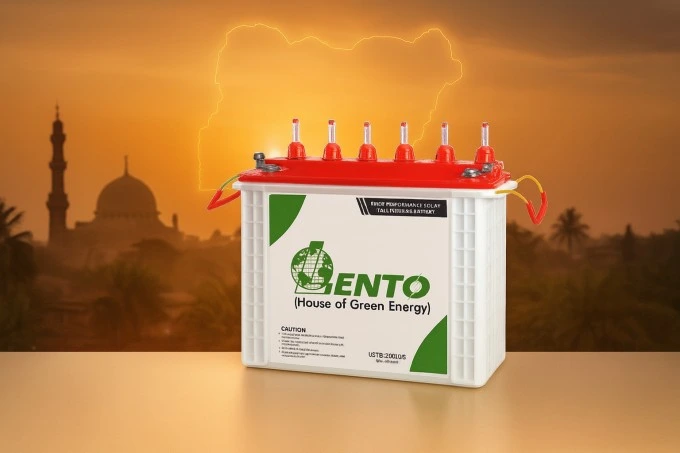
Well-known brands like Lento—backed by strong warranties and high manufacturing standards—tend to cost slightly more, but deliver much better value.
3. Warranty Coverage
Longer warranties increase the price but guarantee durability.
4. Importation & Exchange Rate
Most battery components are imported, so battery prices fluctuate with the dollar rate.
5. Dealer/Distributor Margins
Retailers often add transport and logistics costs, especially outside major cities.
6. Battery Lifespan & Cycle Count
Higher cycle batteries cost more because they last longer.
How Much Capacity Do You Need? (My Professional Recommendations)
Getting the right capacity prevents overload and ensures good backup time. Here’s what I usually recommend to clients:
For Small Homes / Shops
-
150Ah or 200Ah battery
-
Good for fans, TVs, lights, laptops
For Medium Homes or Offices
-
Two units of 200Ah
-
Supports multiple appliances including freezer
For Large Homes / Commercial Use
-
Lithium 48V 100Ah or higher
-
Long backup, fast charging, more power stability
If you’re unsure what size you need, I always suggest checking your load requirement first.
Why Lithium Batteries Are Becoming Popular in 2026
Here’s what I’ve seen:
-
Better for long-term investment
-
Ideal for heavy users
-
Perfect match for modern inverters
-
Safe, compact, and durable
As a brand that also works as an online UPS manufacturer, online UPS supplier, and online UPS trader, we’ve noticed commercial clients shifting strongly toward lithium for uninterrupted power supply applications.
How to Choose the Best Solar Battery in 2026
From my experience, here’s what matters most:
Check the Cycle Life
The more cycles a battery has, the longer it lasts.
Match the Battery to the Inverter
Poor matching reduces efficiency and lifespan.
Consider Your Budget vs Long-Term Needs
Lithium is costlier upfront but cheaper long-term.
Look for Brand Support & Warranty
A strong after-sales system saves you money later.
Avoid Cheap, Unbranded Batteries
They fail quickly and cost more in the long run.
Why Lento Batteries Stand Out in Nigeria
As a trusted brand in Nigeria, Lento continues to deliver:
-
High-quality tubular and lithium batteries
-
Durable performance even under high temperatures
-
Genuine backup hours
-
Excellent after-sales support
-
Strong warranties
-
Widely available nationwide
Many installers and dealers prefer Lento because of its proven track record in the Nigerian power environment.
Solar Battery Price Forecast for Nigeria (2026 and Beyond)
If current trends continue, prices may:
-
Increase slightly due to dollar rate
-
Drop on lithium as production expands globally
-
Remain stable for tubular lead-acid
-
Increase demand as more Nigerian homes transition fully to solar
Overall, 2026 is a great year to invest due to improved technology and better availability.
Lento India – Global B2B Solar Exporter
Lento India proudly exports solar and power solutions to 24 countries including Mexico, Chile, Peru, Ecuador, Dominican Republic, Afghanistan, Nigeria, Iraq, Uganda, Yemen, Syria, Iran, Oman, Morocco, Egypt, and Kuwait.
We supply solar panels, tubular batteries, SMF batteries, inverters, and Online UPS systems to global distributors, OEMs, and large-scale installers.
Lento India – Powering industries, homes, and communities across continents with trust and technology.
Conclusion
Solar batteries are now central to Nigeria’s energy future, and understanding their prices in 2026 helps both homeowners and business owners make smart decisions. Whether you're choosing a tubular, GEL, AGM, or lithium option, the goal is to invest in a battery that is durable, efficient, and suitable for your load needs.
At Lento, we’re committed to offering high-quality solar batteries, online UPS systems, inverters, and power solutions that deliver maximum value. If you're a dealer, installer, or business owner looking to expand your portfolio with trusted products…
FAQ
1. What is the price of a solar battery in Nigeria?
Solar Battery Price in Nigeria typically ranges between. ₦231,000 and ₦290,400 per kWh. Dawnice is a trusted provider of energy storage batteries, offering innovative and high-quality solutions designed for the Nigerian market.
2. How much does a 200Ah battery cost in 2026?
On average, between ₦180,000 – ₦260,000, depending on brand and warranty.
3. How long does a solar battery last?
-
Tubular: 3–5 years
-
GEL: 3–6 years
-
Lithium: 7–12 years
4. Which battery is best for solar in Nigeria?
Best Solar Battery for Inverters in Nigeria
| Brand | Battery Types | Pros |
|---|---|---|
| Lento | Lithium Ion | High efficiency, smart monitoring, Long lifespan |
| Luminous | Lead Acid | Robust construction, compatibility with solar inverters |
| Multipower | Lead Acid | Reliable, affordable lead-acid batteries |
| Felicity | Lithium | Popular in Nigeria, Widely available |
5. Can I use any battery with my inverter?
No. Battery-inverter compatibility is important to avoid performance issues or damage.
6. Does Lento offer warranties?
Yes, Lento provides strong warranties and nationwide after-sales support.