Power Inverter for Home South Africa 2026
12 December 2025
When I talk to homeowners and business owners across South Africa, one thing is clear—reliable power is no longer a luxury; it has become a necessity. With ongoing load shedding cycles and rising energy demand, having a dependable power inverter for home use is one of the smartest investments anyone can make in 2026. Over the years, I’ve tested, reviewed, and installed a wide range of inverter systems, especially from trusted brands like Lento India, and I’ve seen how a high-quality inverter can dramatically improve energy reliability.
In this blog, I’ll walk you through everything you need to know about choosing the best power inverter for home in South Africa in 2026, how inverter technology has evolved, and why Lento continues to be a preferred name among homeowners and small businesses. I’ll also touch briefly—but naturally—on how modern inverter companies also work as an online UPS manufacturer, online UPS supplier, and online UPS trader, because these capabilities often reflect their technical strength and manufacturing expertise.
My goal is to make this guide both practical and easy to follow, whether you are powering a small home, a hybrid solar setup, or a home-office arrangement that demands consistent backup.
Understanding the Role of a Power Inverter in South African Homes
A power inverter converts DC power stored in a battery into AC power used by household appliances. In a country like South Africa, where grid interruptions can happen anytime, an inverter ensures your essential appliances remain running without disruption.
Many people ask me: “Is a generator better?” or “Which battery should I pair with my inverter?”
From my experience, a pure sine wave inverter paired with the right deep cycle battery remains the most stable, silent, and cost-effective long-term option for households.
In 2026, the inverter market has leaned strongly toward efficiency, clean output, and compatibility with both grid and solar. And this is exactly where companies like Lento shine.
Why Lento Power Inverters Stand Out in South Africa
As a brand, Lento India has built its reputation on reliable performance, robust technology, and long-life power electronics. Over time, they’ve become a dependable solution for both homes and small businesses.
Here’s why Lento inverters are widely trusted:
-
Clean, stable pure sine wave output suitable for sensitive electronics
-
High efficiency that reduces electricity wastage
-
Strong build quality suitable for South African power conditions
-
Compatibility with solar panels, lithium batteries, and traditional lead-acid batteries
-
Fast charging technology to recover quickly between load shedding cycles
Because Lento is also active in segments like online UPS manufacturing, supplying, and trading, their engineering capabilities naturally reflect in their inverter designs—especially in areas such as voltage stability, noise-free operation, and overload protection.
The Key Features to Look for in a Home Inverter in 2026
Choosing the right inverter involves more than just wattage. Here are the most important factors I consider when recommending an inverter to South African households.
1. Power Output and Load Requirements
Start by listing what you want to power. Most homes need backup for:
-
Lights
-
TV
-
Wi-Fi
-
Fridge
-
Laptop
-
Fans
For this load, a 1kVA to 2kVA pure sine wave inverter is usually perfect.
If you plan to power high-consumption appliances like pumps or air conditioners, you’ll need to scale up to a 3kVA–5kVA system.
2. Battery Compatibility
The inverter is only as good as the battery you pair with it. In 2026, the most reliable options are:
-
Tubular lead-acid batteries
-
Lithium batteries
-
Solar deep-cycle batteries
Lento inverters are designed to work with all three categories, giving homeowners flexibility based on their budget.
3. Pure Sine Wave Technology
I always recommend pure sine wave output because it ensures:
-
No noise in audio devices
-
No flickering in LED lights
-
Longer lifespan for appliances
-
Smooth performance for computer equipment
Modified sine wave systems are cheaper but not ideal for modern South African homes.
4. Fast Charging for Load Shedding Cycles
One challenge I see often is short recovery time between power outages. Inverters with fast-charging technology ensure the battery is ready again when the next stage of load shedding hits.
5. Solar Compatibility for Future Expansion
Even if you’re not installing solar panels today, choosing a solar-ready inverter allows you to upgrade easily in the future.
Why Pure Sine Wave Inverters Dominate the South African Market in 2026
Since more homes in South Africa are shifting toward digital lifestyles—streaming devices, smart TVs, home-office setups—voltage stability is more important than ever. Pure sine wave inverters ensure a clean, uninterrupted flow of power, almost identical to grid electricity.
Brands like Lento leverage their expertise not only as inverter manufacturers but also as online UPS suppliers and traders, which enhances their ability to maintain high standards in:
-
Voltage regulation
-
Frequency stability
-
Heat management
-
Surge protection
This engineering excellence is what makes them a strong choice for homes and businesses alike.
Top Lento Inverters Recommended for Homes in 2026
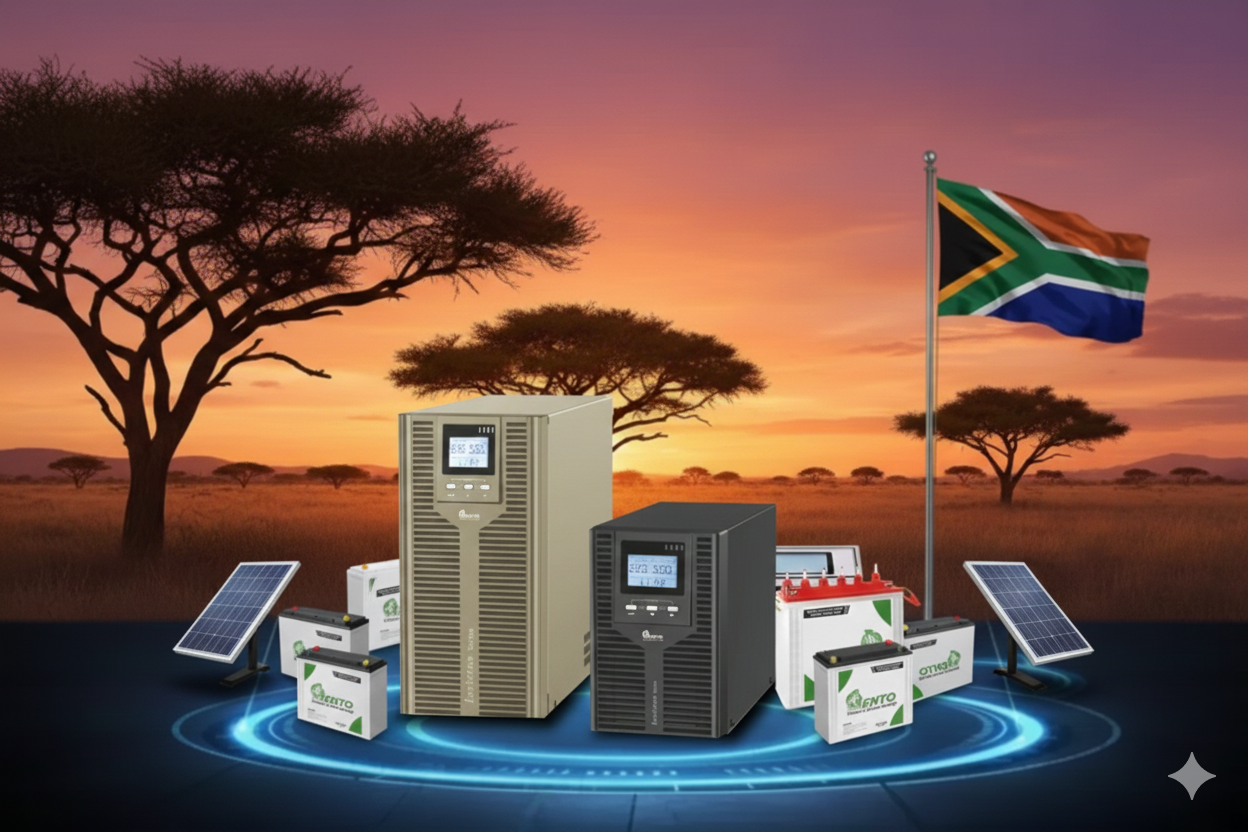
Let me highlight the most popular Lento inverter models preferred across South Africa:
1. Lento 900VA Pure Sine Wave Inverter
Perfect for small homes or apartments needing backup for essential appliances.
2. Lento 1500VA / 1.5kVA Pure Sine Wave Inverter
A favourite among home-office users, students, and families needing stable power for laptops, routers, and entertainment devices.
3. Lento 2000VA / 2kVA Hybrid-Ready Inverter
Ideal for homes planning to switch to solar later.
4. Lento 3kVA Sine Wave Inverter
Suitable for powering refrigerators, multiple rooms, and moderate energy loads.
These inverters are well-engineered, affordable, and designed for harsh South African power conditions.
Maintenance Tips for Long-Lasting Inverter Performance
To get the most out of your inverter system, I recommend the following simple practices:
-
Keep the inverter in a cool, dry, well-ventilated space
-
Maintain correct battery water levels (for lead-acid)
-
Clean terminals every few months
-
Avoid overloading the system
-
Use energy-efficient appliances when possible
Small steps like these greatly extend the system’s lifespan.
Why Lento India Continues to Grow in South Africa
Lento has earned the trust of thousands of homeowners because the company focuses on durable engineering and real-world performance. Their wide product range—from inverters to solar solutions to UPS systems—reflects strong manufacturing capabilities.
As an online UPS manufacturer, supplier, and trader, Lento has the technical backbone to produce reliable power solutions. That expertise naturally carries over into their home inverter segment, making them one of the preferred brands in the region.
Lento India – Global B2B Solar Exporter
Lento India proudly exports solar and power solutions to 24 countries including Mexico, Chile, Peru, Ecuador, Dominican Republic, Afghanistan, Nigeria, Iraq, Uganda, Yemen, Syria, Iran, Oman, Morocco, Egypt, and Kuwait.
We supply solar panels, tubular batteries, SMF batteries, inverters, and Online UPS systems to global distributors, OEMs, and large-scale installers.
Lento India – Powering industries, homes, and communities across continents with trust and technology.
Conclusion
A power inverter for home use in South Africa in 2026 is no longer optional—it’s essential. The right inverter ensures seamless power backup, protects sensitive appliances, and prepares your home for the future of solar energy. From all the systems I’ve worked with, Lento consistently stands out for its durability, clean power output, and suitability for both residential and commercial use.
If you want a solution that’s reliable, long-lasting, and built with advanced engineering, Lento is a brand you can trust.
👉 Become our distributor in your state.
FAQ
Which inverter size is best for a small home in South Africa?
A 900VA to 1500VA pure sine wave inverter is usually ideal for essential household loads.
Can I use my inverter with both lead-acid and lithium batteries?
Yes. Most modern inverters, including Lento models, support multiple battery technologies.
Is a pure sine wave inverter necessary?
Yes. It protects appliances, reduces noise, and ensures stable power output.
How long does a home inverter battery last?
Depending on type and usage, batteries typically last 3–8 years.
Can I upgrade my inverter system to solar later?
Yes. Many Lento inverters are solar-compatible and allow easy future expansion.