Lithium-Ion Solar Battery Price in Nigeria
03 December 2025
Nigeria’s electricity challenges continue to push more homes and businesses toward solar power. And at the heart of any reliable solar system lies one critical component — the battery.
While lead-acid batteries have served Nigeria for decades, many users are now switching to lithium-ion solar batteries because they offer longer lifespan, faster charging, and higher efficiency. But the biggest question remains:
How much does a lithium-ion solar battery cost in Nigeria in 2026?
This detailed guide covers prices, factors affecting cost, benefits, and why lithium batteries are becoming Nigeria’s top choice for solar backup.
What Is a Lithium-Ion Solar Battery?
A lithium-ion solar battery is an energy storage device that uses lithium compounds to store electricity generated from solar panels. Unlike traditional lead-acid batteries that rely on liquid electrolytes and heavy plates, lithium-ion batteries use lightweight cells with advanced chemistry, allowing them to deliver:
-
Higher energy density
-
Longer life cycle (up to 5,000+ cycles)
-
Shorter charging time
-
Deep discharge capability (80–95%)
These features make lithium batteries ideal for solar homes, offices, telecom towers, ATMs, malls, and mini-grids across Nigeria.
Lithium-Ion Solar Battery Price in Nigeria (2026)
Below is the estimated market price range for popular lithium solar battery capacities in Nigeria:
| Battery Capacity | Price Range (Naira) | Ideal for |
|---|---|---|
| 12V 50Ah | ₦90,000 – ₦130,000 | Small DC loads, lighting |
| 12V 100Ah | ₦190,000 – ₦280,000 | Home solar, inverters up to 1.5kVA |
| 24V 100Ah | ₦380,000 – ₦520,000 | Medium inverters (2–3kVA) |
| 48V 100Ah | ₦950,000 – ₦1,500,000 | 3–5kVA solar systems |
| 48V 200Ah | ₦1,800,000 – ₦3,200,000 | Heavy home/office backup |
| 5kWh Lithium Battery | ₦1,500,000 – ₦2,500,000 | Solar hybrid systems |
| 10kWh Lithium Battery | ₦3,000,000 – ₦5,000,000 | Large homes, businesses |
Note: Prices vary based on brand, import costs, warranty, and battery technology (LiFePO4 vs. NMC).
Why Lithium-Ion Solar Batteries Cost More in Nigeria
Several factors influence lithium battery prices:
1. High Import Duties & FX Rate
Most lithium batteries are imported. Fluctuations in the dollar and shipping costs affect retail pricing.
2. Battery Chemistry
LiFePO4 (LFP batteries) are safer and last longer, so they cost more.
3. Brand & Warranty
Premium brands offering 3–10 years warranty charge higher prices.
4. Technology Level
Batteries with:
-
Smart BMS
-
Fast charging
-
Bluetooth monitoring
-
Overload protection
…are more expensive.
Benefits of Lithium-Ion Solar Batteries in Nigeria
1. 5–10 Times Longer Lifespan
Lead-acid batteries last 1–3 years, while lithium batteries last 8–10 years with proper usage.
2. Fast Charging
Lithium batteries charge 4x faster.
This is important in Nigeria where sunlight hours may vary by region.
3. Deep Discharge
You can safely use up to 95% of the battery capacity.
Lead-acid allows only 50% usage, causing quicker degradation.
4. Lightweight & Compact
Lithium batteries weigh much less, making installation easier.
5. Zero Maintenance
No water top-up, no fumes, no acid leakage — perfect for homes, offices, and enclosed spaces.
6. Perfect for Solar Hybrid Systems
They pair perfectly with MPPT hybrid inverters, giving longer backup with higher efficiency.
Best Lithium-Ion Solar Battery Brands in Nigeria (2026)
1. Lento Lithium Solar Batteries
-
Indian manufacturer exporting to 24+ countries
-
LiFePO4 technology
-
4,000–6,000 cycle life
-
5–10 years warranty
-
Highly reliable for Nigerian climate
2. Blue Nova
High-quality premium lithium batteries, ideal for commercial loads.
3. BYD
Durable, long-lasting, used in large-scale solar installations.
4. Pylontech
One of the most popular choices for home solar systems.
5. Dyness
Affordable lithium option with stable performance.
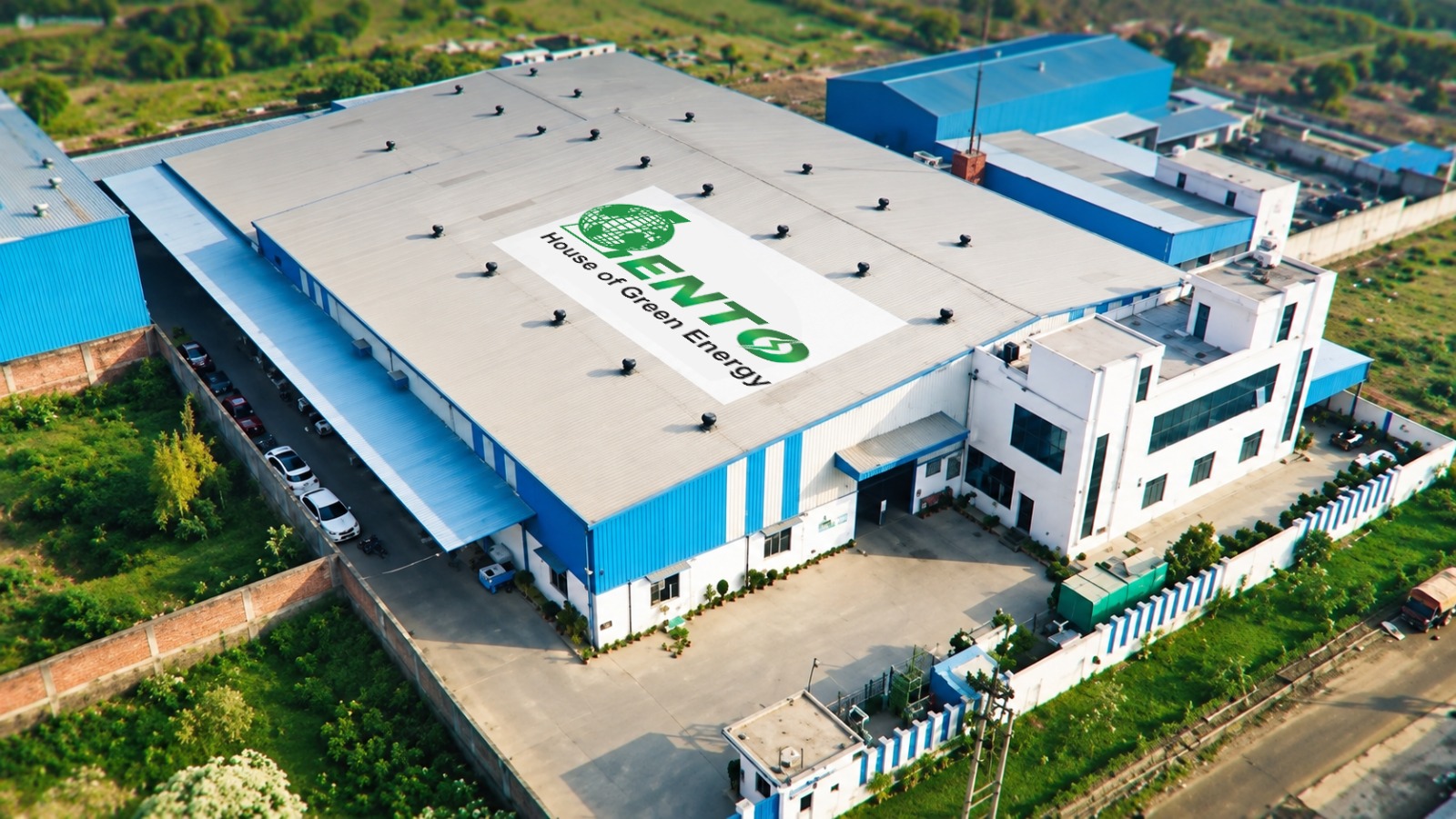
Lento India – A Leading Solar Lithium Battery Exporter to Nigeria
Lento India supplies high-efficiency LiFePO4 solar batteries to Nigerian distributors, installers, and corporate buyers.
What Lento Offers:
-
Lithium solar batteries (12V, 24V, 48V, 5kWh, 10kWh)
-
Hybrid inverters
-
Solar panels
-
Online UPS
-
Tubular batteries
Export Advantages:
-
Bulk pricing
-
Custom branding (OEM)
-
5–10 years warranty
-
Fast shipping to Lagos, Abuja, Port Harcourt, Kano
Lento batteries are designed for high temperature, long backup, and heavy load usage, making them ideal for Nigeria’s solar market.
How to Choose the Right Lithium Solar Battery for Your Home
1. Check Your Inverter Size
-
1–2kVA needs 12V or 24V lithium
-
3–5kVA needs 48V lithium
2. Calculate Your Daily Energy Use
Example:
Fan (70W) × 8 hours = 560Wh
TV (80W) × 6 hours = 480Wh
Lights (40W) × 10 hours = 400Wh
Total = 1,440Wh (1.44kWh)
You need at least a 2kWh battery.
3. Choose LiFePO4 Technology
Safer, cooler operation, lasts longer.
4. Check Warranty
Choose brands offering 5 years minimum.
Installation Cost of Lithium-Ion Batteries in Nigeria
Installation cost ranges from ₦20,000 – ₦60,000, depending on:
-
System size
-
Battery capacity
-
Required cables/MCB/isolators
FAQ – Lithium-Ion Solar Battery Price in Nigeria
1. How much is 5kwh 24v lithium battery in Nigeria?
₦1,500,000.00.
2. Which lithium battery is best for solar in Nigeria?
LiFePO4 batteries from Lento, Pylontech, and Dyness are top choices for longevity and safety.
3. How long does a lithium solar battery last?
Most lithium-ion batteries last 8–12 years or 4,000–6,000 cycles.
4. Can lithium batteries work with any inverter?
Yes, but they perform best with hybrid inverters equipped with MPPT charge controllers.
5. Is lithium battery better than tubular battery?
Yes. Lithium offers:
-
Longer life
-
Faster charging
-
Higher efficiency
-
Zero maintenance
But tubular batteries are cheaper upfront.
6. How many batteries do I need for a 5kVA inverter?
You need:
-
One 48V lithium battery, or
-
Four 12V lithium batteries connected in series.
7. Which is better, 100Ah or 200Ah?
If you need high power for larger systems, a 200Ah battery is more efficient and practical, offering simpler management. However, for smaller or distributed setups, two 100Ah batteries might be the better option, providing greater flexibility.
8. What is the 80 20 rule for lithium batteries?
The 80/20 rule for lithium batteries recommends: Charge up to 80% for daily use. Charge to 100% only when needed, such as before a long trip or a full discharge cycle. Avoid letting the battery discharge lower than 20%.
Conclusion
Lithium-ion solar batteries are transforming Nigeria’s energy landscape. With longer lifespan, high efficiency, and ultra-fast charging, they offer tremendous value despite the higher purchase cost. Whether you are powering a home, office, shop, or industrial site, a lithium battery ensures reliable backup and long-lasting performance.
As electricity demand rises and fuel prices increase, investing in a lithium solar battery is no longer a luxury — it’s the smartest energy decision for 2026 and beyond.
If you’re planning to install a solar system or upgrade your battery bank, choosing a high-quality lithium-ion battery from trusted suppliers like Lento India ensures durability, safety, and long-term savings.