How much money is required to start a small solar products business in India?
25 July 2026
Starting a solar products business in India requires an initial investment ranging from ₹2 lakh to over ₹30 crore, depending entirely on your chosen business model—whether you operate as a retail dealer, EPC installer, regional distributor, or full-scale manufacturing partner.
Smaller capital outlays are ideal for retail dealerships and localized installation services, whereas large-scale manufacturing demands significant capital for machinery and plant infrastructure. This scalable cost structure makes the renewable energy sector an attractive entry point for entrepreneurs across varied budget ranges.
If you are evaluating how to start a solar products business, calculating your required capital is the critical first step. The Indian solar market provides multiple tier-based entry models, allowing businesses to start lean and expand operations progressively.
Key Factors That Affect Solar Business Investment
The total investment needed to start a solar company depends on your chosen business model, product mix, location, and whether you plan to hold inventory. A solar products dealer working from a small showroom needs far less capital than a solar products distributor stocking bulk inventory across multiple product categories.
Business Model
Dealer, distributor, or OEM brand partner — each has a different capital requirement.
Product Mix
Lithium products cost more upfront than lead-acid batteries and basic inverters.
Location & Scale
Metro cities need higher rent and marketing budgets than smaller towns.
How Much Investment Is Required to Become a Solar Dealer?
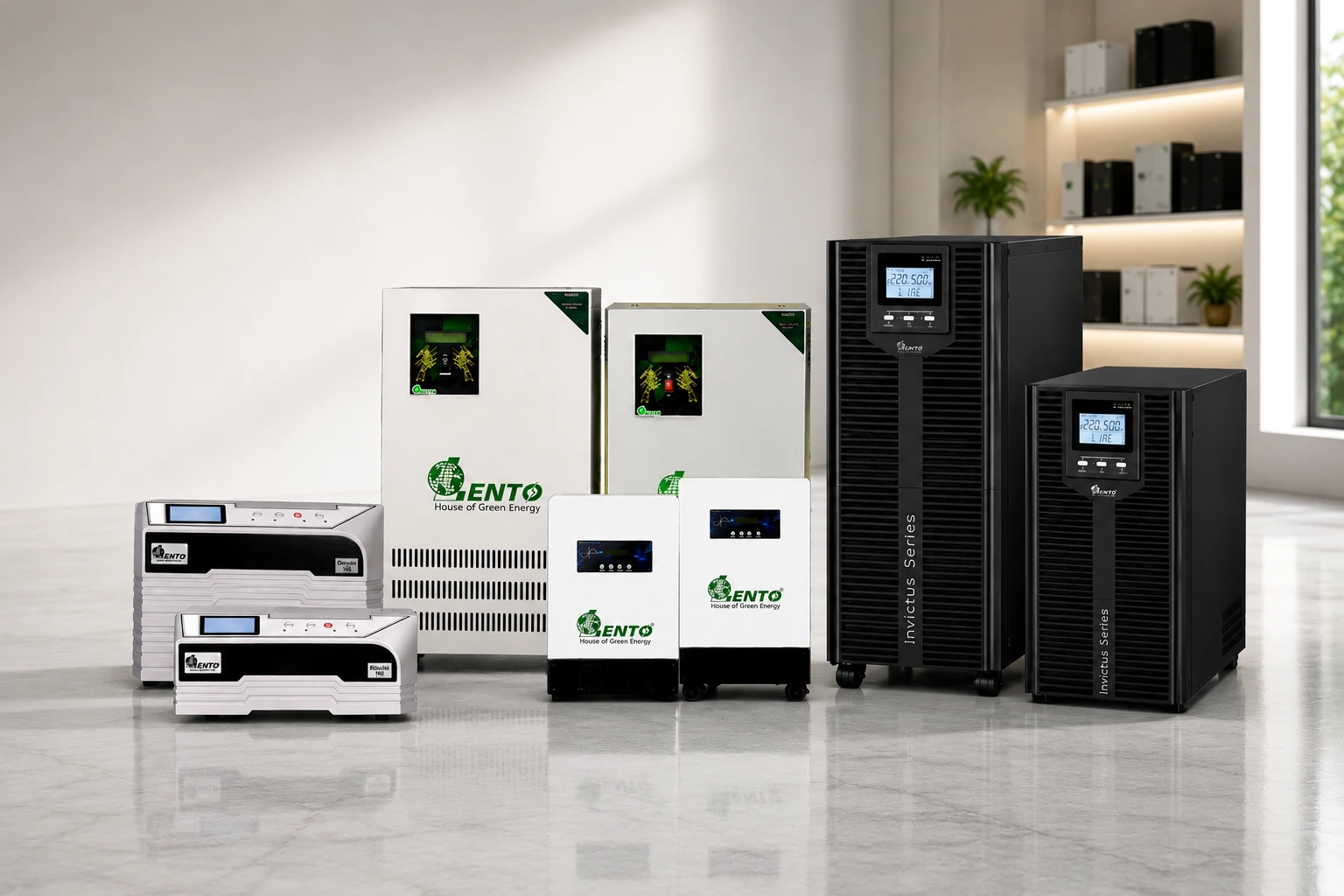
A solar products dealer business, focused on retail sales, installation, and local service, generally requires a moderate starting investment covering initial stock (inverters, batteries, online UPS units), a small showroom or office space, basic tools for installation, and marketing. This entry-level model is one of the most accessible ways to learn how to start a solar products company without heavy upfront capital.
How Much Investment Is Required to Become a Solar Distributor?
A solar products distributor needs significantly higher working capital since the model relies on bulk stocking and supplying multiple dealers across a region. Investment areas include warehouse space, larger inventory across product categories (including lithium batteries and inbuilt lithium battery inverters), logistics and transport arrangements, and a sales team to manage dealer networks.
|
Business Model |
Relative Investment Level |
Primary Cost Areas |
|
Solar Products Dealer |
Low to Moderate |
Initial stock, showroom, installation tools |
|
Solar Products Distributor |
Moderate to High |
Warehouse, bulk inventory, logistics, staff |
|
OEM Brand Partner |
Low to Moderate |
Branding, packaging, minimum order quantities |
These are general planning categories; always request a detailed quotation from your manufacturer partner based on your specific product mix and order volume.
How to Start a Solar Products Company with Lower Investment: The OEM Route
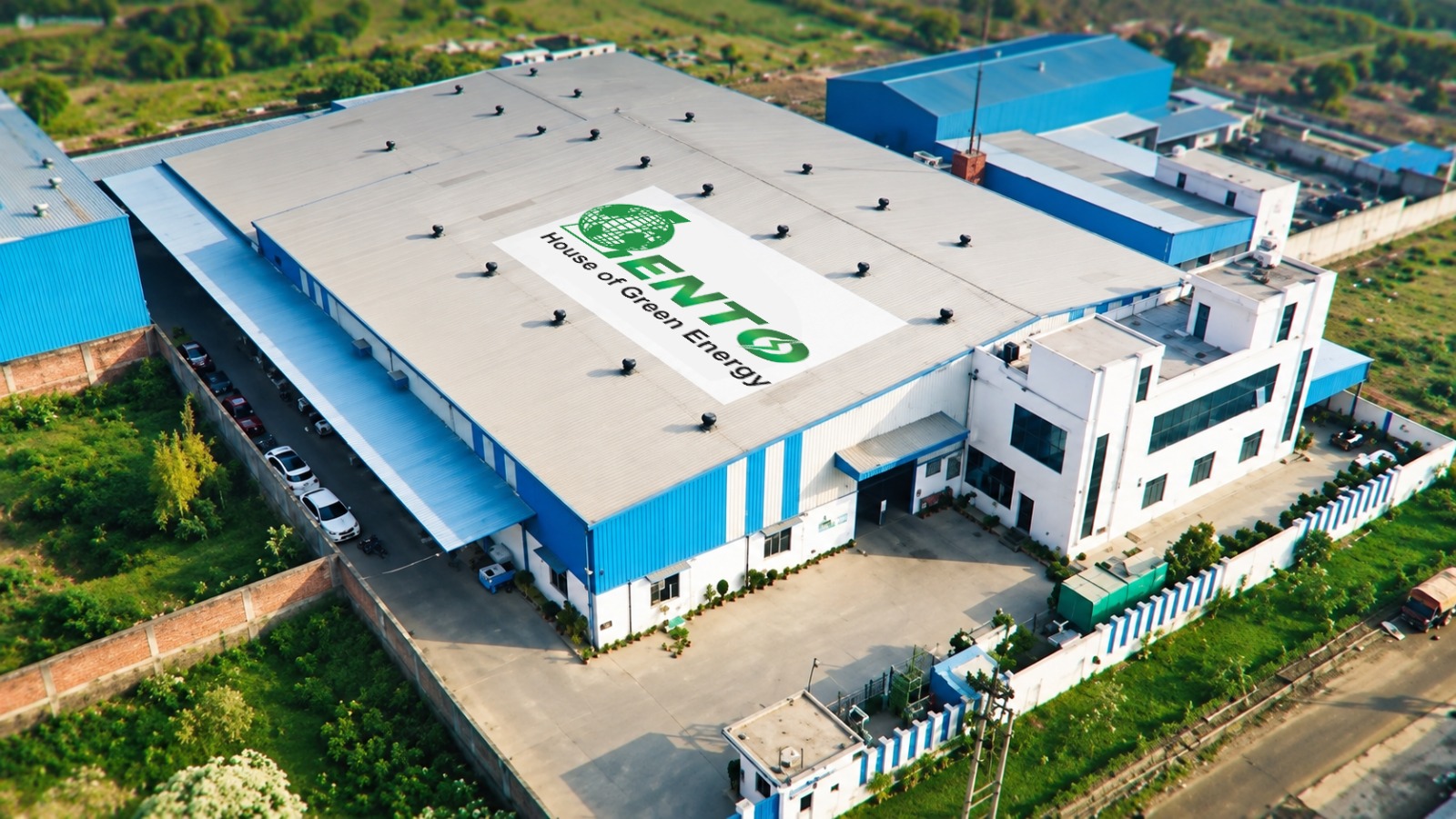
If you're researching how to start a solar products company without building your own factory, partnering with an established solar products manufacturer under an OEM model is the most capital-efficient route. Instead of investing in machinery, R&D, and compliance certifications yourself, you invest in branding, packaging, and initial stock — while the manufacturer handles production and quality control. This significantly lowers the total investment required to launch under your own brand name.
Domestic Sales & Support: +91 9810173869
Toll-Free: 1800 313 0746
Sales & General Enquiries: info@lentoindia.com
Service & Technical Support: service@lentoindia.com
Investment vs. Profit: Planning for Return on Investment
Your investment level directly shapes your business profit timeline. Lower-investment dealer models typically break even faster on a per-unit basis but scale slower, while distributor-level investment takes longer to recover but can generate higher overall turnover once dealer networks are established. Choosing the right balance between initial investment and expected solar products business profit is key to sustainable growth.
Tips to Manage Your Solar Business Investment Efficiently
- Start with a focused product range before expanding into every category.
- Choose a manufacturer offering OEM support to avoid heavy upfront production costs.
- Negotiate flexible minimum order quantities while you're building initial demand.
- Reinvest early profits into inventory expansion rather than over-investing at launch.
Frequently Asked Questions
Q1. How much investment is required to start a solar business in India?
Investment varies by model — dealership setups require lower capital focused on stock and showroom costs, while distributorships need higher capital for bulk inventory and warehousing.
Q2. Can I start a solar products company with low investment?
Yes. Partnering with a solar products manufacturer through an OEM model lets you launch your own branded product line without investing in your own factory or production setup.
Q3. Is a solar distributor more expensive to start than a solar dealer?
Generally yes, since distributors require larger warehouse space, bulk inventory across multiple product lines, and logistics infrastructure to supply dealers across a region.
Q4. What affects the investment needed for a solar business?
Key factors include your business model, product mix (lithium vs. lead-acid), location, and whether you plan to stock inventory or work purely on order-based supply.
Q5. How does investment level affect profit in solar business?
Lower investment models like dealerships often break even faster per unit, while higher investment distributor models can generate greater overall turnover once scale is achieved.
Lento Industries Private Limited — Manufacturer of Inverters, Batteries, Online UPS, Inbuilt Lithium Battery Inverters & Lithium Batteries, with OEM services for all products.
Read More:-
How to Start a Solar Products Business
How to Start a Solar Products Business in India: A Complete Guide
Don’t Delay, Join Us Today!
Related Posts
- Best Lithium battery with inverter price in India — what you actually pay, and why
- What is the best inverter with an inbuilt lithium battery for home use?
- E-Rickshaw Charger Wholesale in India: Prices, Suppliers & Buying Guide
- E-Rickshaw Charger OEM Manufacturing in India: Custom & Private Label Solutions