Best Inverter for Home with Battery in Yemen 2026
04 December 2025
When I first started exploring home power solutions in Yemen, I quickly realized how crucial it is to choose the right inverter with battery. With frequent power cuts, rising electricity costs, and increasing reliance on renewable energy, having a reliable backup system is no longer optional—it’s essential. In this blog, I’ll walk you through everything you need to know about selecting the best inverter for home with battery in Yemen 2026, including key features, battery compatibility, performance considerations, and purchasing tips.
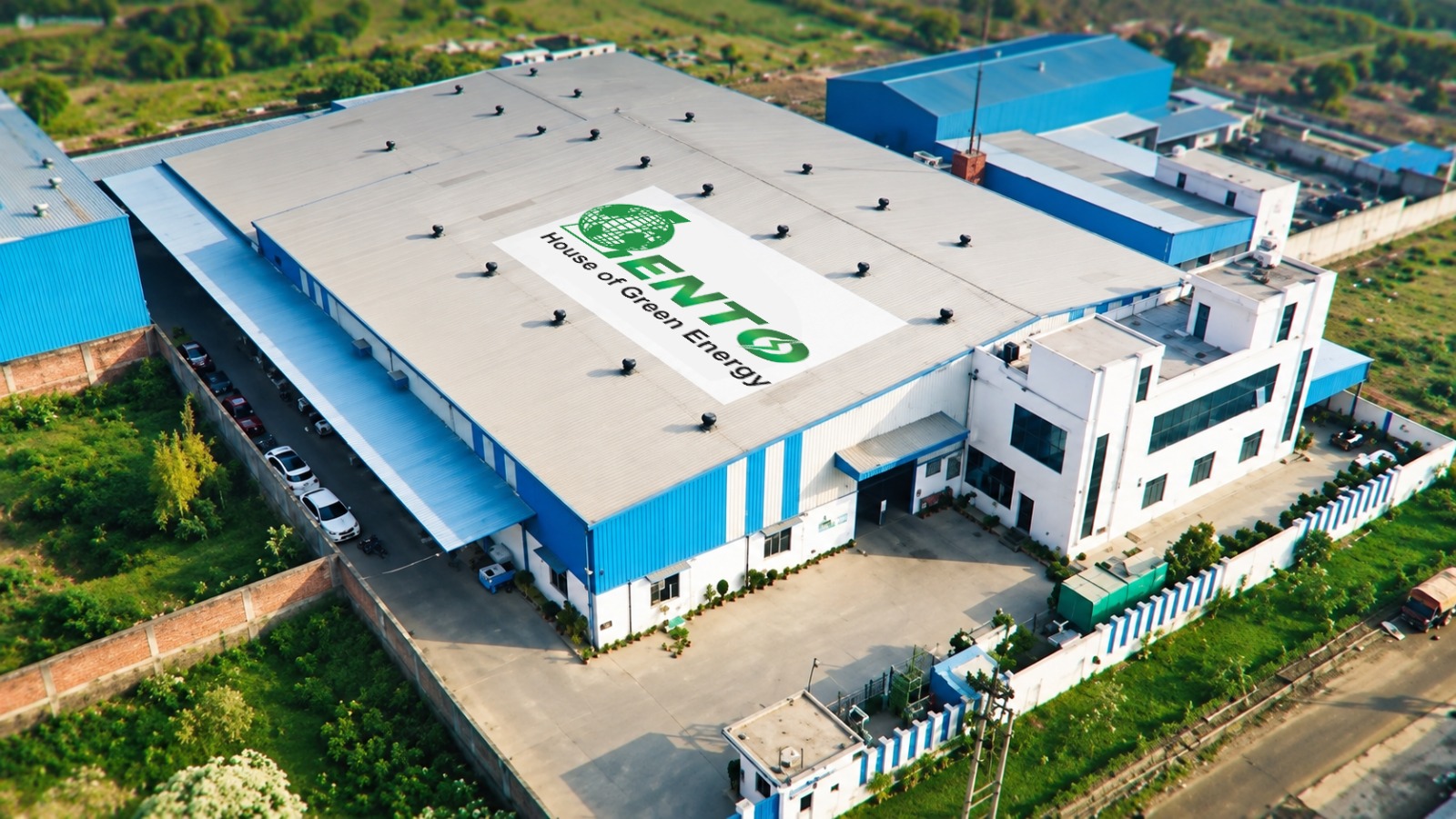
Working closely with brands like lento, which is recognized as an online ups manufacturer, online ups supplier, and online ups trader, I’ve seen firsthand how the right inverter-battery combination can transform home energy management. Whether you’re a homeowner or a business owner looking for dependable backup power, this guide will help you make an informed choice.
Why a Home Inverter with Battery is Essential in Yemen
Reliable Backup During Power Cuts
Homes in Yemen often experience long and unpredictable power outages. A properly selected inverter with battery ensures uninterrupted electricity, keeping essential appliances like lights, fans, refrigerators, and routers running smoothly.
Cost Savings Over Time
Using an inverter with battery reduces dependency on expensive diesel generators, lowering operational costs while providing cleaner energy.
Energy Efficiency and Safety
Modern inverters paired with batteries provide stable voltage output, which protects your devices from damage and ensures efficient energy use.
Key Factors to Consider When Choosing an Inverter for Home
Selecting the right inverter isn’t just about capacity or price. Here are the main aspects I always check before making a recommendation:
1. Power Capacity
Choose an inverter that matches your home’s load. Common capacities for Yemeni households include:
-
1kVA–3kVA for small homes
-
3kVA–5kVA for medium-sized homes
-
5kVA and above for larger homes or homes with multiple appliances
2. Type of Inverter
-
Pure Sine Wave Inverter: Best for sensitive electronics like laptops, LED TVs, and routers.
-
Modified Sine Wave Inverter: Less expensive but suitable mainly for basic appliances.
I usually recommend pure sine wave inverters for consistent performance and device protection.
3. Battery Compatibility
Your inverter must match your battery type and voltage. Popular options include:
-
Tubular battery: Long lifespan and ideal for frequent power cuts.
-
SMF/maintenance-free battery: Convenient and low-maintenance.
-
Lead-acid battery: Cost-effective, widely available.
-
Lithium battery: Modern, efficient, and lightweight.
4. Efficiency and Performance
Check the inverter’s efficiency rating. Higher efficiency means less energy waste and longer backup duration. Additionally, features like intelligent charging and overload protection enhance overall performance.
Choosing the Right Battery for Your Home Inverter
Battery Capacity (Ah)
Ampere-hour (Ah) rating determines how long your battery can provide power. A 150Ah–200Ah battery is ideal for a typical Yemeni household, while larger homes may require 250Ah or higher.
Battery Life Cycle
Longer life cycles ensure you get more years of backup. Tubular and lithium batteries usually have higher cycle ratings compared to conventional lead-acid batteries.
Maintenance Requirements
Decide if you want a maintenance-free battery or a regular battery that requires topping up distilled water periodically.
Features to Look for in a Home Inverter with Battery
A good inverter should provide more than just backup power. Here are features I prioritize:
-
Pure sine wave output for stable and safe power
-
Smart charging to optimize battery health
-
Overload and short-circuit protection for safety
-
Solar-ready capability if you plan to integrate solar panels
-
LCD display to monitor voltage, load, and battery status
These features ensure longevity, efficiency, and safe operation.
Top Brands and Suppliers in Yemen
When looking for a reliable inverter, I always suggest choosing trusted brands. Lento, for instance, is recognized as an online ups manufacturer, online ups supplier, and online ups trader, providing high-quality inverters with excellent service support.
Other considerations include:
-
Verified dealers or distributors
-
Warranties and after-sales support
-
Availability of replacement parts and batteries
Installation Tips
Proper installation affects performance and battery life:
-
Place the inverter in a dry, ventilated area
-
Ensure correct wiring and polarity
-
Avoid overloading the inverter
-
Connect compatible batteries with correct voltage
If needed, always rely on professional installation to prevent damage and ensure safety.
Estimated Cost of a Home Inverter with Battery in Yemen 2026
Prices vary based on inverter capacity, battery type, and brand. As of 2026, typical costs are:
-
1–3kVA inverters with 150–200Ah battery: Moderate pricing suitable for small homes
-
3–5kVA inverters with 200–250Ah battery: Higher cost but supports more appliances and longer backup
-
5kVA+ setups with premium batteries: For larger homes or offices requiring extensive backup
Investing in quality ensures long-term reliability and fewer maintenance issues.
Benefits of Purchasing from Online UPS Manufacturers, Suppliers, and Traders
Working with an online ups manufacturer, online ups supplier, or online ups trader provides:
-
Access to verified, high-quality products
-
Transparent pricing and warranty
-
Professional guidance for system sizing and installation
-
Reliable after-sales service
These benefits help homeowners and businesses make smarter, more cost-effective decisions.
Lento India – Global B2B Solar Exporter
Lento India proudly exports solar and power solutions to 24 countries including Mexico, Chile, Peru, Ecuador, Dominican Republic, Afghanistan, Nigeria, Iraq, Uganda, Yemen, Syria, Iran, Oman, Morocco, Egypt, and Kuwait.
We supply solar panels, tubular batteries, SMF batteries, inverters, and Online UPS systems to global distributors, OEMs, and large-scale installers.
Lento India – Powering industries, homes, and communities across continents with trust and technology.
Conclusion
Choosing the best inverter for home with battery in Yemen 2026 requires careful consideration of power capacity, inverter type, battery compatibility, and brand reliability. With the right combination, you can enjoy uninterrupted power, cost savings, and peace of mind. Tubular, lithium, SMF, and lead-acid batteries each have their advantages, and pairing them with a high-quality inverter ensures consistent, safe energy for your home.
Investing in trusted brands and suppliers, including lento as a renowned online ups manufacturer, online ups supplier, and online ups trader, guarantees quality, longevity, and professional support.
FAQ
1. Which type of inverter is best for a home?
A pure sine wave inverter is the best choice for most homes because it provides clean, stable power that is compatible with all appliances, including sensitive electronics like computers and refrigerators. Modified sine wave inverters are a more budget-friendly option suitable for basic loads like fans and lights, but they can cause issues for sensitive devices. Square wave inverters are the most basic and affordable, only suitable for simple tools.
2. What battery type should I pair with my home inverter?
Tubular and lithium batteries are the most reliable, but SMF and lead-acid batteries can also work depending on budget and maintenance preference.
3. How do I determine the right inverter capacity?
Calculate the total wattage of all appliances you plan to run simultaneously and select an inverter with at least 20–30% extra capacity.
4. Can I integrate solar panels with my home inverter?
Yes, many modern inverters are solar-ready, allowing integration for hybrid energy solutions.
5. How long will my inverter backup last?
Backup duration depends on battery capacity and load. A 150–200Ah battery typically provides 3–6 hours of power for a standard household.
6. Which is a no. 1 inverter?
There is no single "number one" inverter, as the ranking depends on the source and the specific application (e.g., home, solar, industrial). However, brands frequently ranked at the top include Lento, Microtek, Luminous, and Livguard in India, often cited for their reliability and innovation. For example, some sources rank Microtek as number one for home use due to its product range and service, while others place Livguard at the top for home inverters.
7. Which is better, a 150Ah or a 200Ah battery?
150Ah Battery VS 200Ah Battery
|
Feature |
150Ah Battery |
200Ah Battery |
|---|---|---|
|
Run Time |
Shorter run time for same load |
Longer run time for same load |
|
Applications |
Small to medium devices, home inverters |
Larger devices, high power inverters, off-grid systems |
|
Cost |
Lower cost |
Higher cost |
|
Charging Time |
Faster charging time |
Longer charging time |