.webp)
Best Inverter for Home in South Africa: A Practical and Trusted Guide for 2026
14 December 2025
Choosing the best inverter for home in South Africa has become more important than ever. As someone who has worked closely with solar and power backup solutions for years, I’ve seen how rising electricity costs, frequent load shedding, and the push toward energy independence have changed the way homeowners and business owners think about power.
In this complete 2026 guide, I’ll walk you through everything you need to know before buying a home inverter in South Africa. I’ll explain how inverters work, which type suits your needs, how to size your system correctly, and what features really matter. I’ll also share practical advice based on real-world usage, not marketing hype. Throughout the guide, I’ll reference reliable solutions from the Lento brand, which has earned strong recognition in global inverter markets.
Why Home Inverters Are Essential in South Africa
South Africa’s power landscape has changed dramatically. Load shedding is no longer an occasional inconvenience; it’s part of daily life for many households and small businesses. A quality home inverter is no longer a luxury—it’s a necessity.
From my experience, the biggest advantage of a home inverter system is consistency. Whether you’re working from home, running a small shop, or simply trying to keep lights, Wi-Fi, and appliances running, an inverter ensures uninterrupted power. Unlike generators, inverters are quiet, clean, and far more efficient when paired with batteries and solar panels.
In 2026, most buyers are no longer asking if they need an inverter, but which is the best inverter for home use in South Africa.
Understanding How a Home Inverter Works
Before choosing the best inverter, it helps to understand the basics. A home inverter converts DC power stored in batteries or generated by solar panels into AC power that your household appliances can use.
When the grid is available, the inverter can pass power directly to your home and charge the batteries. During outages, it automatically switches to battery or solar power. This seamless transition is what makes modern inverters so practical for South African homes.
From what I’ve seen, users who understand this flow tend to choose systems that last longer and perform better because they match the inverter capacity to their actual needs.
Types of Home Inverters Available in South Africa
Pure Sine Wave Inverters
Pure sine wave inverters are the most recommended option for home use. They produce clean and stable power, similar to utility electricity. This makes them safe for sensitive appliances like televisions, computers, refrigerators, and modern kitchen equipment.
For anyone asking me about the best inverter for home South Africa in 2026, I almost always recommend a pure sine wave inverter. Brands like Lento focus heavily on this technology, which is why they’re preferred by both homeowners and installers.
Hybrid Solar Inverters
Hybrid inverters are becoming extremely popular across South Africa. These inverters can work with solar panels, batteries, and the grid all at once. They intelligently decide when to use solar power, when to store energy, and when to draw from the grid.
If your goal is long-term savings and energy independence, a hybrid solar inverter is often the smartest choice. In my view, this is the best inverter type for homes planning to expand their solar setup in the future.
Off-Grid Inverters
Off-grid inverters are designed for homes and properties that are not connected to the utility grid. These systems rely entirely on solar panels and batteries. While they require careful planning, they are ideal for remote areas and farms.
How to Choose the Right Inverter Size for Your Home
One of the most common mistakes I see is choosing an inverter that is either too small or unnecessarily large. Both can cause problems.
To determine the right size, I usually advise homeowners to list essential appliances they want to run during load shedding. These typically include lights, fans, TV, Wi-Fi router, refrigerator, and sometimes a washing machine or microwave.
For small homes or apartments, a lower-capacity inverter may be enough. Medium-sized homes often require a mid-range inverter, while large homes and home offices need higher-capacity systems.
Choosing the correct size ensures better efficiency, longer battery life, and lower overall cost.
Key Features to Look for in the Best Home Inverter
When comparing home inverters in South Africa, certain features truly make a difference.
A good inverter should offer high efficiency, fast switching time, and strong battery compatibility. Solar readiness is also essential in 2026, even if you don’t plan to install panels immediately.
I also recommend choosing inverters with smart monitoring features. These allow you to track power usage, battery health, and solar generation through a mobile app or display panel. Lento inverters, for example, are known for user-friendly interfaces and reliable performance under demanding conditions.
Battery Compatibility and Storage Planning
An inverter is only as good as the battery system supporting it. In South Africa, lithium batteries are increasingly popular due to their longer lifespan, faster charging, and compact size.
However, tubular and lead-based batteries are still used in some households due to lower upfront costs. The key is ensuring your inverter is compatible with the battery type you choose.
From my experience, homeowners who invest in a well-matched inverter and battery system enjoy fewer breakdowns and more consistent backup power.
Solar Integration: Planning for the Future
Even if you’re starting with a basic inverter system, I strongly encourage planning for solar integration. Solar power dramatically reduces electricity bills and protects you from future tariff hikes.
Hybrid inverters allow seamless solar expansion without replacing your existing system. This flexibility is why they are often considered the best inverter option for homes in South Africa looking ahead to 2026 and beyond.
Best Inverter Brand Considerations for South Africa
Brand reputation matters, especially when investing in long-term power solutions. A reliable brand offers better efficiency, stronger safety features, and dependable after-sales support.
Lento has positioned itself as a trusted inverter brand by focusing on quality engineering, stable performance, and adaptability to harsh power conditions. Many installers prefer Lento because of its consistent output and ease of installation, which directly benefits end users.
Installation and Maintenance Tips
Professional installation is something I never advise skipping. A correctly installed inverter system performs better, lasts longer, and meets safety standards.
Regular maintenance is minimal but important. Keeping ventilation clear, checking battery connections, and monitoring performance data ensures your system runs smoothly for years.
Cost Expectations for Home Inverters in 2026
The cost of a home inverter in South Africa varies based on capacity, features, and battery type. While prices may seem high initially, the long-term savings on electricity bills and the comfort of uninterrupted power make it a worthwhile investment.
In my opinion, the best inverter for home use is one that balances price, performance, and future scalability rather than the cheapest option available.
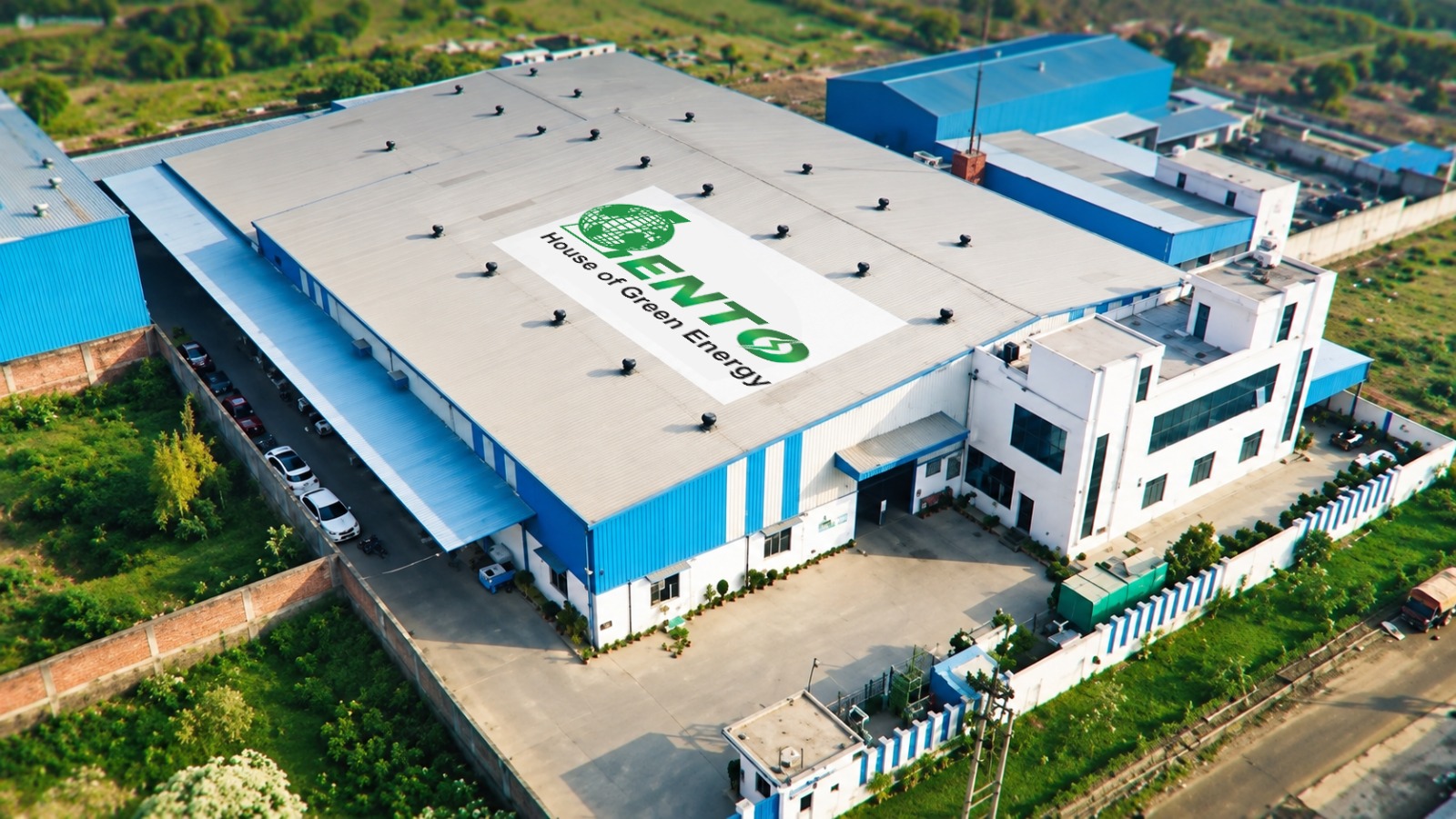
Lento India – Global B2B Solar Exporter
Lento India proudly exports solar and power solutions to 24 countries including Mexico, Chile, Peru, Ecuador, Dominican Republic, Afghanistan, Nigeria, Iraq, Uganda, Yemen, Syria, Iran, Oman, Morocco, Egypt, and Kuwait.
We supply solar panels, tubular batteries, SMF batteries, inverters, and Online UPS systems to global distributors, OEMs, and large-scale installers.
Lento India – Powering industries, homes, and communities across continents with trust and technology.
Conclusion: Making the Right Choice for Your Home
Choosing the best inverter for home in South Africa in 2026 is about more than surviving load shedding. It’s about taking control of your energy needs, reducing dependence on the grid, and preparing for a smarter, cleaner future.
By understanding inverter types, sizing your system correctly, and choosing a trusted brand like Lento, you can enjoy reliable power every day. Whether you’re a homeowner or a business owner, the right inverter is an investment in comfort, productivity, and peace of mind.
👉 Become our distributor in your state.
FAQs
1. What is the best inverter for home use in South Africa in 2026?
The best inverter for home use in South Africa in 2026 is a pure sine wave or hybrid solar inverter that supports battery storage and future solar expansion.
2. Which inverter capacity is ideal for an average South African home?
An average home usually needs a mid-range inverter that can handle essential appliances like lights, TV, refrigerator, and internet equipment during outages.
3. Are hybrid inverters better than normal home inverters?
Yes, hybrid inverters are better for most homes because they allow the use of solar power, batteries, and grid electricity together.
4. How long does a home inverter system last?
A quality inverter can last 8 to 15 years, depending on usage, installation quality, and maintenance.
5. Is solar compatibility important when buying a home inverter?
Yes, solar compatibility is very important in 2026, even if solar panels are added later, as it ensures long-term savings and flexibility.
6. Why is Lento considered a reliable inverter brand?
Lento is known for efficient design, stable performance, and compatibility with modern battery and solar systems, making it a trusted choice for home inverters.
Read More:-
Top 10 Best Inverter Brands in South Africa for Home Use
Which Is the Best Inverter for Home in South Africa