Best Inverter for Home in India 2026
05 December 2025
Choosing the best inverter for home in India in 2026 has become more important than ever. As someone who has spent years studying power backup systems, working closely with homeowners, retailers, and distributors, I know how confusing this decision can be. Between new inverter technologies, battery types, and evolving load requirements, finding the ideal setup requires clear understanding—not guesswork.
In this guide, I will walk you through everything you need to know, from inverter types and capacity selection to battery compatibility and pricing trends. I’ll also share insights from my experience collaborating with different brands, online ups manufacturer networks, online ups supplier channels, and online ups trader circles across India.
Why Choosing the Right Inverter Matters in 2026
Electricity consumption habits in India have evolved. Today’s homes run high-load appliances like refrigerators, smart TVs, energy-efficient lights, Wi-Fi routers, mixers, and sometimes even small water pumps. With frequent voltage fluctuations and power cuts still affecting many regions, a reliable inverter is no longer optional—it’s a necessity.
And with new technologies such as lithium battery inverters, hybrid inverters, and high-efficiency pure sine wave models, choosing wisely ensures:
-
Lower electricity bills
-
Longer battery life
-
Stable power for sensitive appliances
-
Safe and silent operation
Understanding the Types of Inverters Available in 2026
Pure Sine Wave Inverters
Most suitable for Indian homes, as they deliver grid-like power quality. Ideal for sensitive appliances such as LED TVs, refrigerators, laptops, and mixers.
Modified Sine Wave Inverters
More affordable, but not recommended for modern homes because of sound disturbances, reduced appliance efficiency, and potential long-term damage.
Hybrid Solar Inverters
A fast-growing category in 2026. These inverters support grid charging, solar charging, and battery backup modes simultaneously. They help reduce electricity bills and are ideal for areas with long-term power cuts or high electricity tariffs.
Lithium Inverters (Inbuilt Battery Models)
Compact, wall-mounted, fast-charging, maintenance-free. Perfect for apartments and modern homes with limited space.
What Makes an Inverter “Best” for Indian Homes in 2026?
From my experience evaluating hundreds of models across online ups manufacturer and online ups supplier networks, the following factors matter most:
1. Power Capacity
A typical Indian home requires between 800 VA to 2.5 kVA depending on load.
-
1 BHK: 800 VA – 1.2 kVA
-
2–3 BHK: 1.5 kVA – 2 kVA
-
Big homes: 2.5 kVA – 3.5 kVA
2. Battery Compatibility
The inverter’s performance depends heavily on the battery type.
-
Tubular Batteries – most popular, long life, ideal for heavy loads
-
Lithium Batteries – long cycle life, zero maintenance, fast charging
-
Flat Plate Batteries – affordable but short life
3. Efficiency & Power Quality
Pure sine wave, high efficiency (>90%), lower heat generation, and compatibility with all appliances.
4. Safety & Protections
-
Overload protection
-
Short circuit protection
-
Battery deep-discharge protection
-
User-friendly indicators
5. After-Sales Service & Warranty
Brands that have strong networks of online ups trader and offline distributors tend to offer much better reliability.
Best Inverter Options for Home Use in India (2026 Expert Picks)
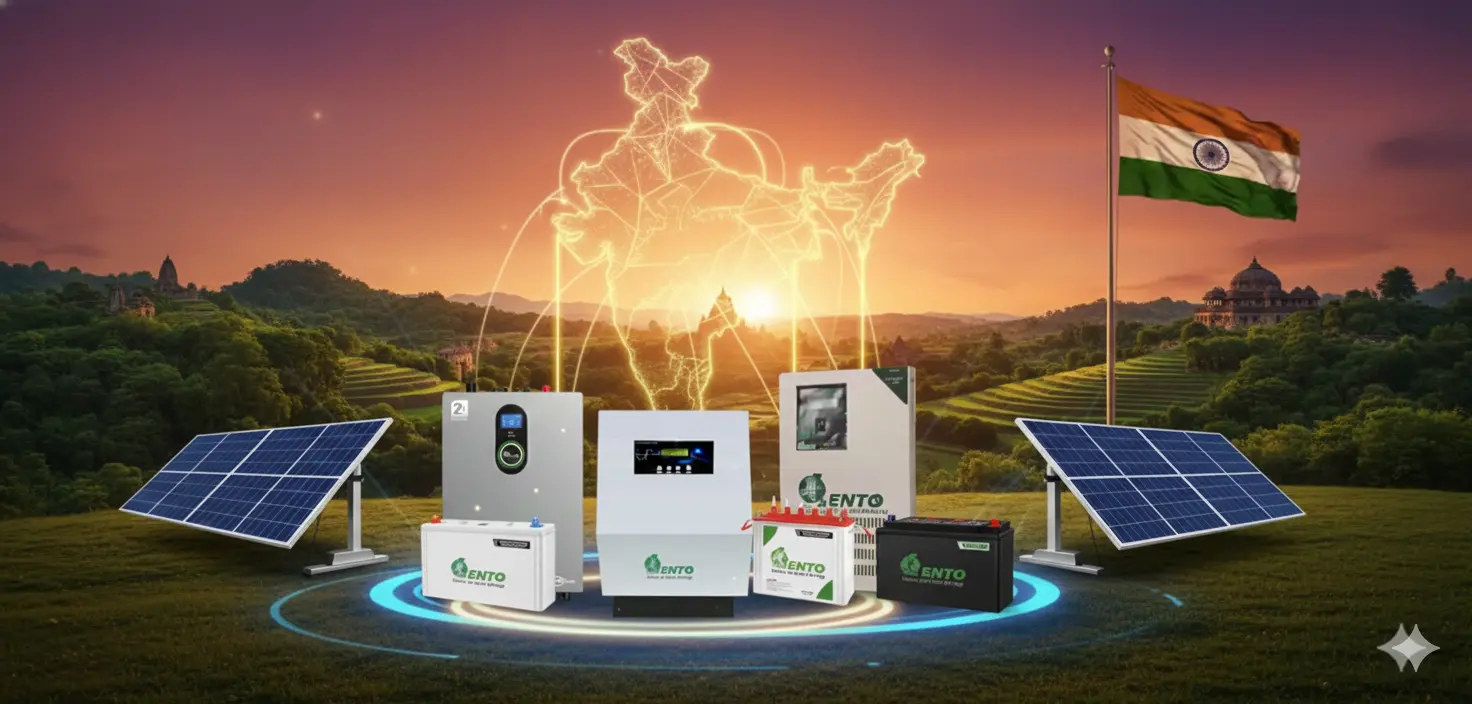
1. Lento Pure Sine Wave Inverters
As someone who works closely with Lento’s product ecosystem, I find their inverters consistently high in performance, durability, and energy efficiency. Their design meets Indian usage patterns and long-hour backup needs.
Key Advantages:
-
Pure sine wave output
-
Long backup capability
-
Works seamlessly with tubular and lithium batteries
-
High charging efficiency
-
Excellent for computers, fridges, fans, and kitchen appliances
2. Hybrid Solar Inverters (Future-Proof Choice)
Best for homeowners planning to reduce electricity bills or move toward solar independence.
Benefits:
-
Supports grid + solar charging
-
Ideal for rural and semi-urban regions
-
Reduces long-term energy costs
3. Wall-Mounted Lithium Inverters
Modern homes are quickly adopting these clean, compact power systems.
Why they’re rising in demand:
-
Maintenance-free
-
Faster charging
-
Longer lifespan
-
Saves space
Choosing the Perfect Capacity for Your Home
Let me break this down in a simple, practical way.
Calculate Total Load
Add the wattage of appliances you want to support:
-
LED lights: 8–20W each
-
Fans: 60–75W
-
TV: 100–150W
-
Refrigerator: 120–200W
-
Laptop: 40–60W
-
Wi-Fi router: 10W
A typical Indian home load is around 600–1200 watts.
Choose Inverter VA Rating
Use the formula:
Inverter VA = Total Load (W) / Power Factor (0.7–0.8)
Example:
If your load is 900 watts → 900 / 0.8 = 1125 VA inverter needed
So, 1100 VA – 1500 VA covers most homes.
Battery Selection for the Best Backup Performance
Since the battery is the heart of the system, choosing correctly is essential.
Ideal Tubular Battery Ranges
-
150Ah
-
180Ah
-
220Ah
These offer excellent life, deep discharge capability, and consistent performance.
Lithium Battery Options
-
24V and 48V variants
-
2000+ cycle life
-
Lightweight design
Price Trends for Inverters in India (2026)
Pure Sine Wave Inverters
₹5,000 – ₹25,000 depending on capacity
Hybrid Solar Inverters
₹12,000 – ₹45,000 depending on features
Lithium Wall-Mounted Systems
₹25,000 – ₹60,000 depending on battery size
Prices vary across online ups manufacturer and online ups supplier networks, often depending on the region and stock availability.
Maintenance Tips for Long-Lasting Performance
To keep your inverter and battery working optimally:
-
Keep the battery water level maintained (tubular types)
-
Keep the inverter in a well-ventilated area
-
Use genuine cables and connectors
-
Avoid connecting high-load appliances beyond capacity
-
Ensure annual service
These small steps make a huge difference in lifespan and performance.
Lento India – Global B2B Solar Exporter
Lento India proudly exports solar and power solutions to 24 countries including Mexico, Chile, Peru, Ecuador, Dominican Republic, Afghanistan, Nigeria, Iraq, Uganda, Yemen, Syria, Iran, Oman, Morocco, Egypt, and Kuwait.
We supply solar panels, tubular batteries, SMF batteries, inverters, and Online UPS systems to global distributors, OEMs, and large-scale installers.
Lento India – Powering industries, homes, and communities across continents with trust and technology.
FAQ: Best Inverter for Home in India 2026
1. Which inverter is best for Indian homes in 2026?
Pure sine wave inverters and hybrid solar inverters offer the best performance for modern homes.
2. How much capacity is required for a 2–3 BHK?
A 1.5 kVA – 2 kVA inverter is ideal depending on the total load.
3. Can an inverter run a refrigerator or TV?
Yes, if it is a pure sine wave inverter with sufficient capacity.
4. Are lithium inverters better?
Lithium inverters are maintenance-free, long-lasting, and ideal for space-saving homes.
5. What is the lifespan of a tubular battery?
Typically 4–7 years depending on usage and maintenance.
6. Which is the best home inverter in India?
The best inverter for a home in India depends on power needs, with top brands like Lento, Luminous, Microtek, and Livguard being popular choices.
7. Which battery is best, 150Ah or 200Ah in India?
150Ah Battery VS 200Ah Battery
|
Feature |
150Ah Battery |
200Ah Battery |
|---|---|---|
|
Run Time |
Shorter run time for same load |
Longer run time for same load |
|
Applications |
Small to medium devices, home inverters |
Larger devices, high power inverters, off-grid systems |
|
Cost |
Lower cost |
Higher cost |
|
Charging Time |
Faster charging time |
Longer charging time |
8. How to select an inverter for a home?
To select a home inverter, calculate your total power needs by listing the appliances you want to run and their wattage.
Conclusion
Finding the best inverter for your home in India in 2026 requires understanding your power needs, choosing the right technology, and selecting a brand that delivers long-term performance. With rising energy demands, modern appliances, and increasing interest in solar integration, choosing a reliable inverter has become one of the most important home investments.
If you’re a retailer, dealer, or business owner looking to expand into high-demand power backup products, now is the right time to join hands with a trusted and future-ready brand.