Best Battery for Off-Grid Solar in Nigeria 2026
04 December 2025
Living or doing business in Nigeria has taught me one thing: power reliability is never guaranteed. Whether you run a shop, manage a small factory, or simply want steady electricity at home, off-grid solar systems have become one of the most dependable solutions in the country. But the true performance of any solar setup depends on one essential component—the battery.
As someone who has spent years working with solar systems, energy storage products, and inverter solutions (including working closely with online UPS manufacturers, online UPS suppliers, and online UPS traders), I’ve seen how choosing the right battery can transform an entire installation. A good battery defines how long your system lasts, how much power you get, and how much you save in the long run.
In this guide, I’ll walk you through the best battery options for off-grid solar in Nigeria in 2026, using real-life experience and market performance insights to help you choose confidently.
Why the Battery Matters in an Off-Grid Solar System
Your solar panels collect energy, but the battery stores it. When night comes or when clouds reduce sunlight, the battery becomes your primary power source. That’s why choosing the right one is crucial.
A quality solar battery must be:
-
Long-lasting
-
Resistant to deep discharge
-
Capable of handling high temperatures
-
Cost-efficient
-
Safe and low-maintenance
Different battery types offer different strengths, so understanding them helps you make the best choice.
Types of Batteries Used for Off-Grid Solar in Nigeria
Below are the four most common battery technologies in Nigeria and how they perform.
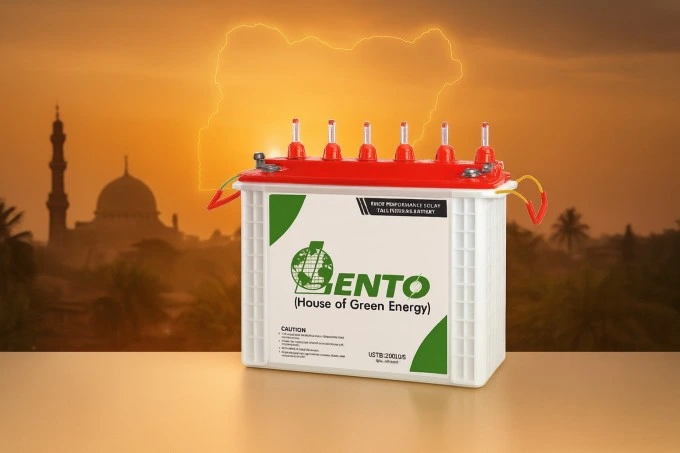
1. Lead Acid Tubular Batteries
These remain the most popular option for home and small business solar systems.
Why Nigerians love them:
They are affordable, strong, and work well in Nigeria’s climate.
Strengths:
-
Great for deep-cycle use
-
Handles heat better than AGM
-
Easy to maintain
-
Affordable upfront cost
Limitations:
-
Requires water topping (unless maintenance-free)
-
Heavy and bulky
-
Shorter lifespan than lithium
Tubular batteries are still a dependable choice for budget users.
2. AGM (Absorbent Glass Mat) Sealed Batteries
AGM batteries are clean, spill-proof, and maintenance-free.
Strengths:
-
Safer and neater
-
Zero maintenance
-
Faster charging
-
Good for indoor installations
Limitations:
-
Not very heat-resistant
-
Shorter lifespan compared to gel and lithium
AGM is a good option for small offices, shops, and moderate loads.
3. Gel Batteries
Gel batteries are designed for deep-cycle use and excellent heat resistance.
Strengths:
-
Very low maintenance
-
Long cycle life
-
Performs well in high temperatures
-
Safe for sensitive environments
Limitations:
-
More expensive than AGM
-
Requires correct charging to avoid damage
If you live in very hot regions—especially Northern Nigeria—gel batteries offer better durability.
4. Lithium Iron Phosphate (LiFePO₄) Batteries
Lithium batteries are the premium choice for 2026.
Strengths:
-
10–15 years lifespan
-
Lightweight
-
Very fast charging
-
95% usable capacity
-
Extremely efficient
-
No maintenance
-
Safe chemistry
Limitations:
-
Higher upfront cost
-
Must be paired with a Battery Management System
-
Requires inverter compatibility
If you want long-term savings and premium performance, lithium is the top option.
Best Batteries for Off-Grid Solar in Nigeria 2026 (Expert Picks)
1. 48V Lithium (LiFePO₄) Battery — Best Overall
This is the most efficient and durable choice for homes and businesses.
Why I recommend it:
-
Perfect for freezers, pumps, TVs, fans, and ACs
-
Long lifespan lowers cost per year
-
Works perfectly with modern inverter systems from leading online UPS manufacturers
-
Highly efficient even under heavy usage
If your budget allows, lithium is the smartest long-term investment.
2. 12V/24V Tubular Lead Acid Battery — Best Budget Option
Perfect for small homes, rural setups, and users with limited budgets.
Why it's great:
-
Very reliable
-
Spare parts available everywhere
-
Works well for basic load systems
If your system includes lights, fans, TV, and charging devices, tubular batteries will work well.
3. Gel Deep-Cycle Battery — Best for Hot Regions
Ideal for extremely hot locations such as Kano, Maiduguri, Sokoto, and Yola.
Why it stands out:
-
Excellent heat resistance
-
Safer and cleaner
-
Good cycle life for long-term use
A smart choice if your environment gets extremely hot.
How to Choose the Right Battery for Your Off-Grid System
When I help customers select a battery, I always consider these factors:
1. Your Load Size
Heavy loads like freezers or pumps require lithium or high-capacity tubular batteries.
2. Solar Panel Capacity
Your panels must generate enough power to charge your battery fully each day.
3. Budget vs Long-Term Value
Lithium costs more upfront but lasts 3× longer.
4. Temperature
If your area is extremely hot, avoid AGM.
5. Maintenance
Choose sealed AGM, gel, or lithium if you want zero maintenance.
6. Inverter Compatibility
Many newer inverters, especially from premium online UPS suppliers and online UPS traders, are optimized for lithium.
How Many Batteries Do You Need?
This depends on your:
-
Load
-
Daily usage hours
-
Solar generation
-
Battery type
Examples:
-
1.5kVA Home System → 1×200Ah tubular or 1×2.4kWh lithium
-
Small Business Setup → 2×200Ah tubular or 1×5kWh lithium
-
Commercial Installations → Multiple lithium units in parallel
For heavy-use homes or businesses, lithium is usually best.
Cost Comparison for 2026 (Approximate Market Prices)
| Battery Type | Price (₦) | Lifespan | Best For |
|---|---|---|---|
| Tubular Lead Acid | ₦150,000–₦250,000 | 3–5 years | Homes, budget users |
| AGM | ₦180,000–₦300,000 | 2–4 years | Indoor applications |
| Gel | ₦200,000–₦320,000 | 4–6 years | Hot regions |
| Lithium (LiFePO₄) | ₦350,000–₦950,000+ | 10–15 years | Homes & businesses |
Lithium has the lowest cost per year despite the higher upfront cost.
Why Lithium Is Dominating Nigeria in 2026
Lithium batteries are becoming the #1 choice due to:
-
Falling global prices
-
Better warranty terms
-
Safe LiFePO₄ technology
-
Very high efficiency
-
Lower electricity cost long-term
-
Excellent compatibility with modern inverter systems
Whether you're a homeowner or a business owner, lithium gives you unmatched performance.
Tips to Extend Battery Life
To get the most from your battery:
-
Avoid deep discharges below 20% (except lithium)
-
Keep your system well-ventilated
-
Use correct charger settings
-
Never mix old and new batteries
-
Keep batteries out of direct sunlight
-
Size your system properly to avoid overload
Final Recommendation
If you want the best battery for off-grid solar in Nigeria in 2026, here’s my straightforward advice:
-
Choose LiFePO₄ lithium for long life, performance, and reliability.
-
Choose tubular lead acid if you're on a budget and need something dependable.
-
Choose gel batteries for extremely hot locations.
With better offerings now coming from global online UPS manufacturers, online UPS suppliers, and online UPS traders, there has never been a better time to invest in quality energy storage.
Lento India – Global B2B Solar Exporter
Lento India proudly exports solar and power solutions to 24 countries including Mexico, Chile, Peru, Ecuador, Dominican Republic, Afghanistan, Nigeria, Iraq, Uganda, Yemen, Syria, Iran, Oman, Morocco, Egypt, and Kuwait.
We supply solar panels, tubular batteries, SMF batteries, inverters, and Online UPS systems to global distributors, OEMs, and large-scale installers.
If you are a business owner, project developer, or distributor, we welcome you to partner with us for bulk supply opportunities.
Simply share your requirements by our contact form, and our export team will connect with you within 24 hours to discuss pricing, customization, and logistics.
Lento India – Powering industries, homes, and communities across continents with trust and technology.
FAQ:-
Q 1. Which battery is best for solar in Nigeria?
Best Solar Battery for Inverters in Nigeria
| Brand | Battery Types | Pros |
|---|---|---|
| Lento | Lithium Ion | High efficiency, smart monitoring, Long lifespan |
| Luminous | Lead Acid | Robust construction, compatibility with solar inverters |
| Multipower | Lead Acid | Reliable, affordable lead-acid batteries |
| Felicity | Lithium | Popular in Nigeria, Widely available |
Q 2. What is the best battery for an off-grid solar system?
Lithium iron phosphate
Q 3. What is the next generation of solar batteries?
Sodium ion batteries are next-generation solutions for the growing residential solar industry. Many view it as a way to scale energy storage, because, compared to lithium ion technology, it uses widely abundant and sustainable materials. Low production costs for sodium ion batteries could also boost product deployment.
Q 4. Is a graphene battery better than lithium?
Graphene batteries have the potential to be better than traditional lithium-ion batteries, offering faster charging, higher energy density, and longer lifespans, but they currently face challenges in terms of higher manufacturing costs and limited commercial availability. While lithium-ion batteries are widely available and cheaper, graphene-enhanced alternatives provide superior performance in many key metrics.
Q 5. Can a 400Ah battery power a house?
For example, with an actual capacity of 410ah, the upgraded 12V 400Ah LiFePO4 battery provides up to 5.248kWh large energy, ensuring your home has sufficient backup power for extended periods.
Conclusion
Selecting the right battery for your off-grid solar system isn’t just a technical decision—it’s a long-term investment in comfort, productivity, and peace of mind. With so many options available in 2026, Nigerians can now choose based on need, budget, usage, and expected lifespan.
If you’re planning to start a solar business or expand your existing one, high-quality batteries offer massive long-term opportunities.