.webp)
Best Inverter for Home Use in South Africa
30 December 2025
Choosing the best inverter for home use in South Africa is no longer a side decision. In 2026, it is a core household investment. With frequent power cuts, rising electricity tariffs, and increasing reliance on electronic appliances, a dependable home inverter has become essential for comfort, safety, and productivity.
I’ve worked closely with homeowners, installers, and distributors, and I’ve seen how the right inverter can completely change the daily experience of living with power interruptions. In this guide, I’ll walk you through everything that truly matters when selecting a home inverter in South Africa, keeping the explanation simple, realistic, and focused on long-term value.
Why Home Inverters Are a Necessity in South Africa
South African households face unpredictable power availability. Load shedding affects daily routines, home offices, security systems, and even basic appliances. A home inverter provides immediate backup power and ensures that essential devices continue running smoothly.
From my experience, people initially buy inverters for emergencies, but over time they realize the convenience and stability these systems provide. In 2026, home inverters are not luxury products. They are practical solutions for everyday living.
What Defines the Best Inverter for Home Use
When homeowners ask me which inverter is best, I always start by saying this: the best inverter is the one that matches your home’s energy needs and future plans.
A good home inverter should deliver stable output, fast changeover, low noise, and compatibility with batteries and solar panels. Safety features, warranty support, and ease of use also play a major role in defining quality.
In South Africa, where voltage fluctuations are common, choosing a reliable inverter brand is especially important.
Understanding Home Power Requirements
Before choosing an inverter, it’s essential to understand how much power your home actually needs. Most homes want backup for lights, fans, television, Wi-Fi, security systems, and kitchen appliances.
In smaller homes, lower-capacity inverters work well. Medium-sized homes often prefer mid-range inverters that can support multiple appliances at once. Larger homes and villas may require higher-capacity or hybrid systems.
In my experience, homeowners who assess their load accurately enjoy better performance and longer system life.
Types of Inverters Used in South African Homes
Pure Sine Wave Inverters
Pure sine wave inverters are the most recommended choice for home use. They produce clean and stable power, making them safe for sensitive electronics such as TVs, computers, and refrigerators.
Most modern homes prefer pure sine wave inverters because they reduce appliance noise and improve overall efficiency.
Solar Hybrid Inverters
Solar hybrid inverters have become increasingly popular in South Africa. These inverters combine grid power, solar power, and battery charging in one system.
Homeowners like hybrid inverters because they can start with backup power and later add solar panels to reduce electricity bills. In 2026, this flexibility makes hybrid inverters a smart long-term choice.
Choosing the Right Inverter Capacity for Your Home
Capacity selection is one of the most important steps. An undersized inverter will overload easily, while an oversized inverter increases cost without real benefit.
For basic home backup, smaller capacities are sufficient. For homes running refrigerators, washing machines, or home offices, medium-capacity inverters are ideal. High-capacity inverters suit homes with higher appliance usage or extended backup needs.
Matching inverter capacity with battery size ensures stable performance and better backup duration.
Battery Compatibility and Performance
An inverter works as part of a system, and battery compatibility is critical. In 2026, most home inverters support both lead-acid and lithium batteries.
Lithium batteries offer faster charging, longer lifespan, and better efficiency. Lead-acid batteries remain popular due to lower initial cost but require more maintenance.
I always recommend choosing an inverter that supports lithium batteries, even if you start with lead-acid. This gives flexibility for future upgrades.
Why Solar-Ready Inverters Are the Smart Choice
Homeowners today think beyond backup power. Solar-ready inverters allow homes to store solar energy during the day and use it at night or during outages.
This reduces dependency on the grid and lowers monthly electricity bills. In South Africa, where sunlight is abundant, solar-compatible inverters make excellent sense for long-term savings.
Real-World Performance in South African Conditions
Inverters in South Africa must handle frequent power cuts, voltage swings, and extended usage hours. A well-designed inverter maintains stable output and protects connected appliances.
Installation quality also matters. Proper ventilation, correct wiring, and correct system settings improve inverter efficiency and lifespan. I’ve seen many issues arise not from the inverter itself, but from poor installation practices.
Why Brand Reliability Matters for Home Inverters
Home inverters are long-term investments. Choosing a reliable brand reduces maintenance issues and ensures better support when needed.
Brands like Lento have built trust by focusing on consistent performance, durable components, and practical features that suit real household usage. For both homeowners and distributors, this reliability creates confidence and long-term satisfaction.
Cost Considerations for Home Inverters
Inverter prices in South Africa vary depending on capacity, features, and technology. Basic backup inverters cost less, while solar hybrid models cost more due to advanced functionality.
From my observation, buyers in 2026 are shifting toward value-based decisions. They consider efficiency, lifespan, and energy savings rather than just upfront cost.
Home Inverters for Work-from-Home and Security
Many households now rely on uninterrupted internet and security systems. A good home inverter ensures Wi-Fi routers, CCTV cameras, and alarm systems remain active during outages.
This reliability is especially important for professionals working from home and families prioritizing safety.
Future Trends in Home Inverter Technology
Home inverter technology continues to evolve. Smarter energy management, improved battery communication, and better solar integration are shaping the future.
In South Africa, the demand for intelligent, solar-ready home inverters is expected to grow as households aim for greater energy independence.
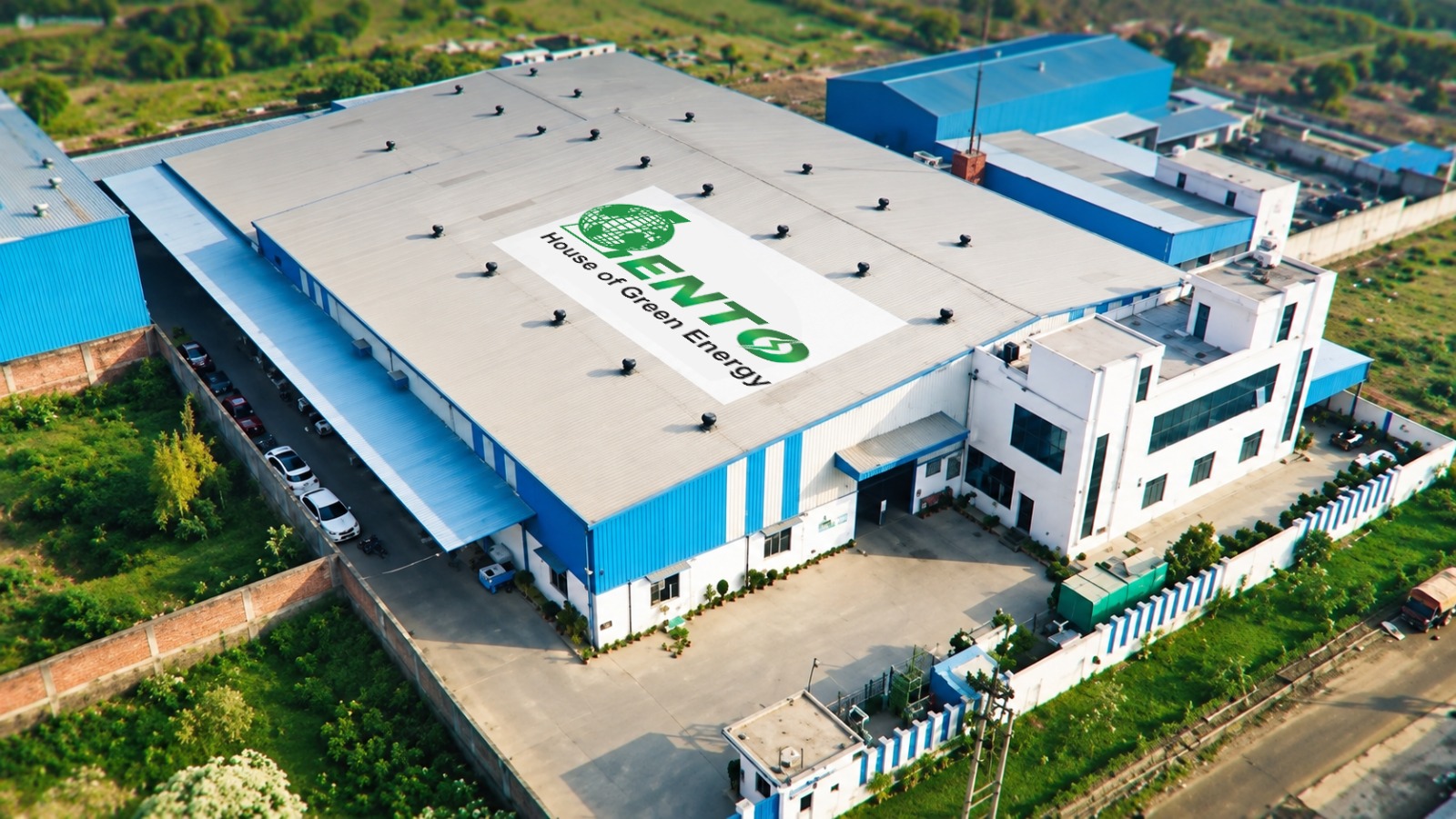
Lento India – Global B2B Solar Exporter
Lento India proudly exports solar and power solutions to 24 countries including Mexico, Chile, Peru, Ecuador, Dominican Republic, Afghanistan, Nigeria, Iraq, Uganda, Yemen, Syria, Iran, Oman, Morocco, Egypt, and Kuwait.
We supply solar panels, tubular batteries, SMF batteries, inverters, and Online UPS systems to global distributors, OEMs, and large-scale installers.
Lento India – Powering industries, homes, and communities across continents with trust and technology.
Conclusion
Finding the best inverter for home use in South Africa is about choosing reliability, compatibility, and long-term value. The right inverter keeps your home running smoothly, protects your appliances, and gives peace of mind during power cuts.
By selecting a trusted brand like Lento and focusing on correct capacity and battery pairing, homeowners can enjoy dependable power for years to come.
👉 Become our distributor in your state.
FAQs
1. What is the best inverter for home use in South Africa?
The best inverter depends on home load requirements, battery type, and whether solar integration is planned.
2. Are solar hybrid inverters suitable for homes?
Yes, solar hybrid inverters are ideal for homes planning to reduce electricity bills and improve backup reliability.
3. Which inverter type is safest for home appliances?
Pure sine wave inverters are safest and most compatible with household electronics.
4. Can a home inverter run a refrigerator and TV together?
Yes, with the right capacity and battery setup, a home inverter can handle multiple appliances.
5. Are lithium batteries better for home inverters?
Lithium batteries offer longer life, higher efficiency, and lower maintenance compared to lead-acid batteries.
6. Why choose Lento home inverters?
Lento inverters are designed for stable performance, durability, and compatibility with modern home power needs.