Best 36V Pure Sine Wave Inverter Price in Nigeria
04 December 2025
When it comes to reliable power solutions in Nigeria, I’ve learned one thing over the years—not all inverters are created equal. Whether you’re running a small business, managing a home, or powering essential appliances during long blackouts, the inverter you choose directly affects your comfort, productivity, and long-term savings. And among all inverter categories, 36V pure sine wave inverters have gained massive popularity across Nigeria.
In this guide, I’ll walk you through everything you need to know about 36V pure sine wave inverter prices in Nigeria, how they work, what they can power, and whether they are the right choice for you in 2026. I’ll also share insights from my experience working with solar distributors, battery dealers, and even international online UPS manufacturers, online UPS suppliers, and online UPS traders.
Let’s dive in.
Why 36V Pure Sine Wave Inverters Are Becoming Popular in Nigeria
A 36V inverter sits between smaller 24V systems and heavier-duty 48V systems. For many homes and business owners, that makes it a perfect middle-ground option.
Here’s why more Nigerians are choosing them in 2026:
-
They offer better efficiency than 24V inverters
-
They support larger battery banks without overloading
-
They run appliances smoother and quieter
-
They’re ideal for medium-load applications
-
They extend battery lifespan thanks to stable current flow
And because pure sine wave technology mimics NEPA’s clean power output, it keeps sensitive electronics safe. If you run devices like fridges, pumps, LED TVs, printers, or POS systems, a pure sine wave inverter is your safest choice.
Understanding the 36V Inverter System (And Why It Matters)
A 36V inverter typically requires three 12V batteries connected in series. This configuration gives you better voltage stability and lower current, which reduces heat and improves overall efficiency.
I often recommend 36V systems for users who:
-
Need more power than a 24V setup
-
Don’t want the cost of jumping to 48V
-
Run medium households or business appliances
-
Want long-term value at a moderate price
Compared to 24V units, 36V inverters deliver smoother performance under load and help your batteries last longer. And in a country like Nigeria, where heat and heavy usage are common, this advantage really matters.
Best 36V Pure Sine Wave Inverter Price in Nigeria (2026 Updated Market Rates)
Prices vary depending on:
-
Brand
-
Power rating
-
Technology (PWM or MPPT)
-
Build quality
-
After-sales support
-
Warranty coverage
-
Whether the product is from a local or international manufacturer
Here’s an updated price range based on what I’ve seen across Lagos, Abuja, Kano, and Port Harcourt markets.
1.5kVA / 36V Pure Sine Wave Inverter Price in Nigeria
Average Price: ₦120,000 – ₦190,000
Ideal for powering:
-
Fans
-
Lighting
-
TV
-
Charging devices
-
Small office equipment
2kVA / 36V Pure Sine Wave Inverter Price in Nigeria
Average Price: ₦150,000 – ₦230,000
Suitable for:
-
Multiple fans
-
TVs and decoders
-
Energy-efficient fridges
-
Computers and printers
3kVA / 36V Pure Sine Wave Inverter Price in Nigeria
Average Price: ₦180,000 – ₦320,000
Perfect for medium homes and small businesses running:
-
Deep freezers
-
Multiple TVs
-
Broadband routers
-
CCTV systems
-
Office electronics
3.5kVA / 36V Pure Sine Wave Inverter Price in Nigeria
Average Price: ₦200,000 – ₦350,000
This is one of the most popular choices among business owners who want a stronger setup without jumping to 48V.
These prices may shift slightly depending on location and distributor. However, with increasing competition among solar brands and online UPS manufacturers, we are seeing more stable pricing and improved product quality.
Key Features to Look for in a 36V Pure Sine Wave Inverter
Choosing the right inverter isn’t just about the price tag. Over the years, I’ve seen buyers make costly mistakes because they didn’t know what to check.
Here are the features I consider essential:
1. Pure Sine Wave Technology
This ensures smooth and safe power output, preventing overheating of sensitive electronics.
2. High Efficiency Rating
The higher the inverter efficiency, the longer your battery will last per charge cycle.
3. Smart Charging System
Modern inverters come with multi-stage battery chargers that extend battery life.
4. Cooling Mechanism
Look for systems with intelligent temperature-controlled cooling.
5. Compatibility with Batteries
Ensure it supports:
-
Lithium batteries
-
Tubular batteries
-
Gel/AGM batteries
Many top online UPS suppliers are now optimizing their inverters for lithium.
6. Strong Warranty
A minimum 1-year warranty is non-negotiable. Premium brands offer 18–24 months.
What Can a 36V Pure Sine Wave Inverter Power?
Here’s a real-world example of what you can expect from a 3kVA/36V setup:
-
6–10 LED bulbs
-
3–4 ceiling fans
-
1 energy-efficient fridge
-
1 TV
-
1 decoder
-
Laptop + router
-
CCTV system
For small offices, 36V systems can comfortably run:
-
Desktops
-
Printers
-
Fans
-
Light machinery
-
POS terminals
This makes them a sweet spot solution—stronger than 24V but not as expensive as 48V.
36V vs 24V vs 48V Inverter: Which is Best for You?
I often get asked which voltage system to pick. Here’s how I explain it:
24V System – Best for Small Loads
-
Low budget
-
Light household use
-
Basic electronics
36V System – Best Mid-Range Option
-
Balanced cost
-
Better efficiency
-
Ideal for medium homes and small businesses
-
Perfect for users who want more power without going too big
48V System – Best for Heavy Loads
-
Large homes
-
Industrial use
-
Big commercial setups
If you're unsure where to start, 36V inverters offer excellent value in 2026.
Factors That Affect 36V Pure Sine Wave Inverter Prices in Nigeria
Prices vary due to:
-
Component quality (transformer size, IGBT chips)
-
Brand reputation
-
Warranty & service support
-
Location and shipping cost
-
Dealer/distributor markups
-
Availability from online UPS traders
-
Exchange rate fluctuations
In my experience, buying from reputable sellers ensures long-term reliability and access to original parts.
Best Brands for 36V Pure Sine Wave Inverters in Nigeria
While there are many brands in the market, the most reliable ones often collaborate with global online UPS manufacturers and import high-quality components.
Highly recommended brands include:
-
Luminous
-
Prag
-
Sukam
-
Mercury
-
Eastman
-
Genus
-
Bluegate
-
Xenon
-
MPPT-hybrid brands from Asia and Europe
Always choose brands that offer genuine product support and warranty.
Battery Requirements for a 36V Inverter System
A 36V inverter requires three 12V batteries in series. The choice of battery affects your entire backup experience.
Best Battery Options:
-
200Ah Tubular Battery (most popular)
-
Gel Deep Cycle Battery
-
Lithium Battery (LiFePO₄) – fastest charging, lightest, longest life
If your budget allows, lithium is the best long-term investment based on performance and durability.
How Long Will a 36V Inverter Last on 200Ah Batteries?
Backup time depends on:
-
Load
-
Battery health
-
Battery type
-
Charging efficiency
However, a typical 3kVA/36V system with 3×200Ah batteries can last:
-
6–12 hours on medium load
-
14–18 hours on very low load
Lithium batteries can deliver even longer backup due to higher efficiency.
Maintenance Tips to Make Your Inverter Last Longer
A good inverter can last 5–10 years if maintained properly.
Here’s what I recommend:
-
Keep the inverter in a cool, ventilated location
-
Use the correct battery type and capacity
-
Avoid overloading
-
Ensure proper wiring and protection
-
Service cooling fans regularly
-
Use original chargers and accessories
Good maintenance also ensures your system performs as the manufacturer intended.
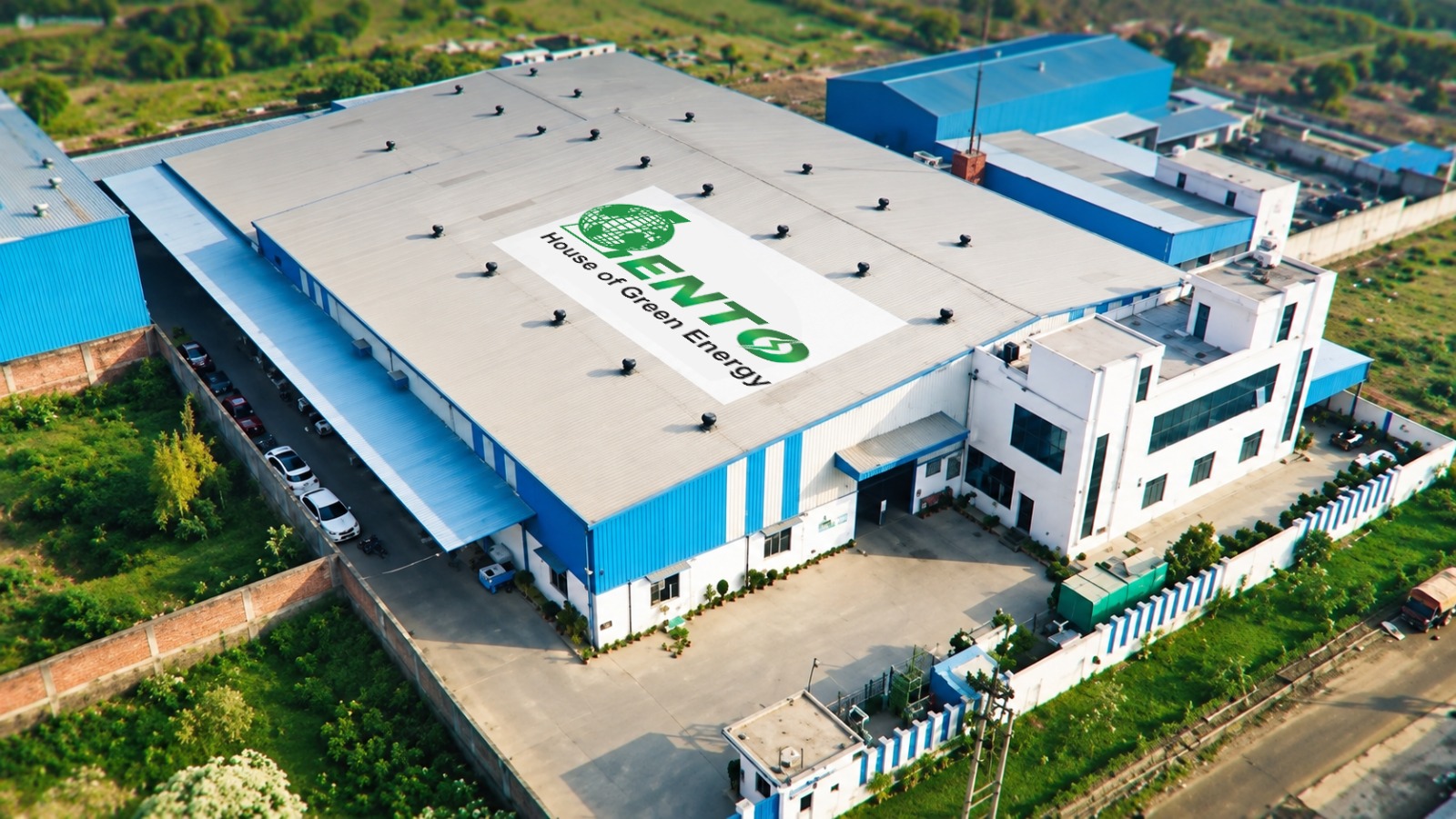
Lento India – Global B2B Solar Exporter
Lento India proudly exports solar and power solutions to 24 countries including Mexico, Chile, Peru, Ecuador, Dominican Republic, Afghanistan, Nigeria, Iraq, Uganda, Yemen, Syria, Iran, Oman, Morocco, Egypt, and Kuwait.
We supply solar panels, tubular batteries, SMF batteries, inverters, and Online UPS systems to global distributors, OEMs, and large-scale installers.
If you are a business owner, project developer, or distributor, we welcome you to partner with us for bulk supply opportunities.
Simply share your requirements by our contact form, and our export team will connect with you within 24 hours to discuss pricing, customization, and logistics.
Lento India – Powering industries, homes, and communities across continents with trust and technology.
Conclusion
The demand for 36V pure sine wave inverters in Nigeria is rising rapidly, especially among customers who want a balance between performance, cost, and energy efficiency. From running home appliances to powering small businesses, a 36V system offers excellent reliability without the high investment required for a 48V system.
And with more choices now available from reputable online UPS manufacturers, online UPS suppliers, and online UPS traders, Nigerians can finally enjoy stable power solutions that offer long-term value.
If you are planning to start a solar business or expand your product offerings, this is the right time to leverage the growing inverter market.
👉 Become our distributor in your state.
FAQ:-
1. What is the price of a 36V pure sine wave inverter in Nigeria?
Prices range from ₦120,000 to ₦350,000, depending on brand and capacity.
2. How many batteries does a 36V inverter need?
It requires three 12V batteries connected in series.
3. Is a 36V inverter better than a 24V inverter?
Yes. It offers higher efficiency, longer battery life, and better performance under load.
4. Which company's solar inverter is best?
Top solar inverter brands include Lento, Huawei, Sungrow, SolarEdge, SMA, and Fronius. Other leading brands are Growatt, GoodWe, Enphase, and Delta Electronics. The best choice often depends on factors like budget, power needs, and desired features like efficiency or advanced monitoring.
5. Who is the highest rated solar company?
The "best" solar power company depends on your needs, but leading manufacturers in India include Lento, Tata Power Solar and Adani Solar, which are known for their large-scale manufacturing capacity and long history. For localized services in Bangalore, several companies are well-regarded, such as Waaree Energies, Srujana Unlimited, and Radiant Green Energy, among others.
6. Which is the best inverter brand in Nigeria?
Top Inverter Brands in Nigeria
- Lento Inverters
- Luminous Inverters
- Sukam Inverters
- Mercury Inverters
- Bluegate Inverters
- Prag Inverters
- Genus Inverters
- Microtek Inverters
- APC Inverters