
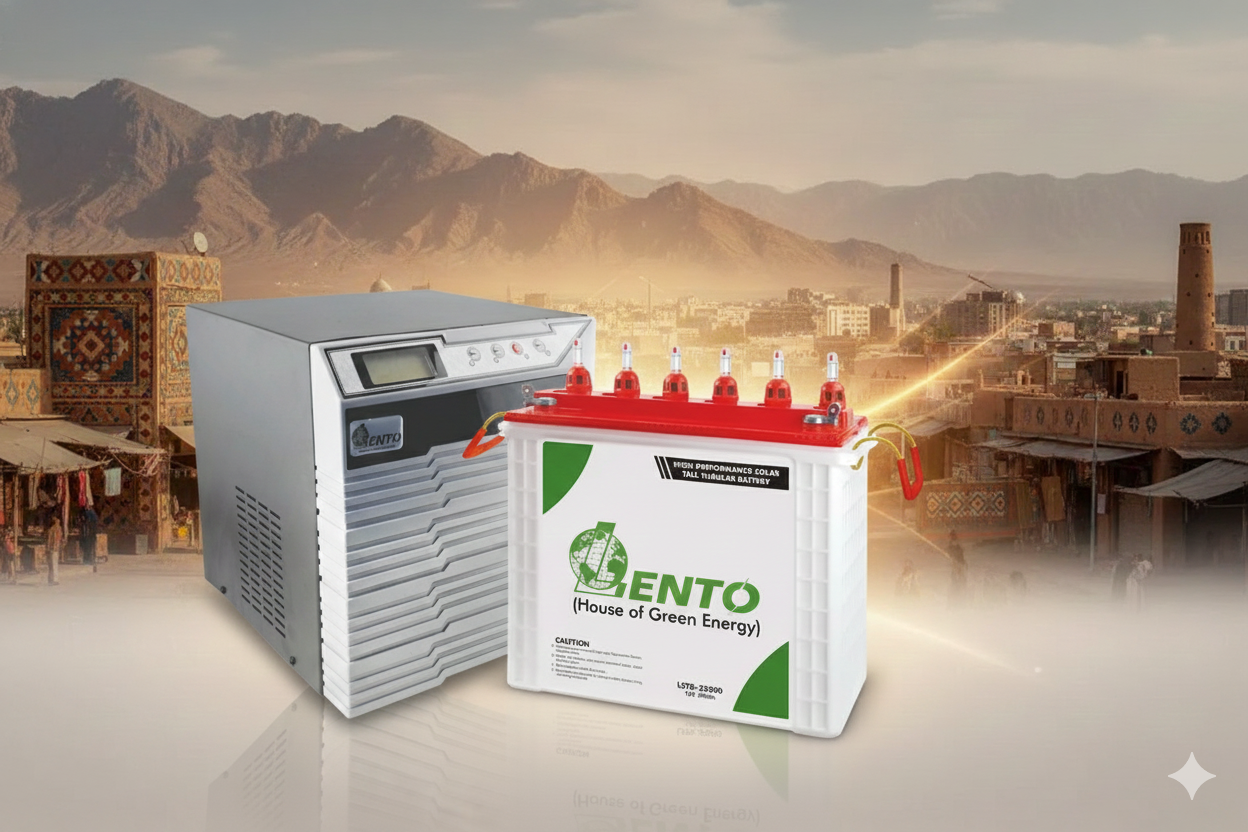
5 kW Solar Inverter Price in India 2026
04 December 2025
When I speak with homeowners, business owners, and even solar dealers, one question comes up more often than anything else: “What is the price of a 5 kW solar inverter in India in 2026?”
A 5 kW system is the sweet spot for most medium-sized homes and small commercial setups. It delivers enough power to handle daily loads efficiently, and with the rising adoption of solar energy across India, understanding the cost, features, and variations has become more important than ever.
In today’s blog, I’m breaking down everything—from pricing trends and inverter types to features, buying tips, and how to choose the right brand. I’ll also be sharing insights from my experience working with manufacturers, including what to look for if you are planning to partner with an online UPS manufacturer, an online UPS supplier, or even an online UPS trader for your business.
Let’s dive in.
Why the 5 kW Solar Inverter Is in High Demand in 2026
Over the past few years, the demand for 5 kW inverters has skyrocketed. Rising electricity tariffs, increased load demand in Indian homes, and the awareness of solar ROI have all contributed to this shift.
A 5 kW inverter is ideal for:
-
Homes with air conditioners, refrigerators, and multiple appliances
-
Small shops and offices
-
Corporate workspaces with 5–10 employees
-
Rural homes needing stable backup power
-
Small industries with moderate load requirements
In 2026, the market for mid-range inverters is more competitive than ever, giving buyers more options in technology and pricing.
5 kW Solar Inverter Price in India in 2026
Let’s talk numbers.
The price of a 5 kW solar inverter in India in 2026 ranges from ₹38,000 to ₹1,25,000, depending on:
-
Technology (off-grid, on-grid, hybrid)
-
Brand reputation
-
Warranty
-
Features
-
Backup requirements
-
Whether lithium-ion support is included
Below is the typical price range based on the inverter type:
1. Off-Grid 5 kW Solar Inverter Price (2026)
₹38,000 – ₹65,000
These inverters are ideal for areas with unstable grid power or frequent power cuts. They store power in batteries and work independently.
2. On-Grid 5 kW Solar Inverter Price (2026)
₹45,000 – ₹95,000
On-grid inverters feed power into the grid, helping you earn from net-metering. They don’t require batteries, which reduces the initial cost.
3. Hybrid 5 kW Solar Inverter Price (2026)
₹65,000 – ₹1,25,000
Hybrid inverters combine both grid-tie and battery backup features. They remain the costliest but offer the most flexibility and reliability.
What Determines the Price of a 5 kW Solar Inverter in 2026?
As someone who works closely with manufacturers, suppliers, and traders—including those dealing in online UPS and solar products—I can tell you that multiple factors influence inverter price. Understanding these helps you make a smarter purchase.
1. Technology Used
Hybrid inverters with MPPT technology and lithium-ion compatibility always cost more.
If you're looking for affordability, a PWM off-grid inverter is cheaper but less efficient.
2. Efficiency Levels
Premium brands offer 95–98% efficiency.
Higher efficiency = better performance = slightly higher price.
3. Warranty & After-Sales Support
Most brands provide 2–5 years warranty.
Some premium models offer 7–10 years, which naturally increases the cost.
4. Build Quality & Safety Certifications
Inverters with BIS, IEC, and ISO certifications cost slightly more but ensure long-term reliability.
5. Brand Value
Established companies like Lento, Myoko, and others price their products based on technology, reliability, and service network. As an industry insider, I often recommend choosing brands that act as both online UPS manufacturer and online UPS supplier, because they ensure consistent quality and stable pricing.
Types of 5 kW Solar Inverters You Can Choose From in 2026
Let me break this down in the simplest way possible.
1. Off-Grid Solar Inverter (5 kW)
If your area suffers from long power cuts or weak grid supply, an off-grid inverter is the best choice. It works with batteries and provides a stable supply throughout the day.
Where it fits best:
Remote villages, farmhouses, shops with high backup demand.
2. On-Grid Solar Inverter (5 kW)
This inverter lets you save electricity and earn through net-metering. It does not use batteries, which reduces your investment and maintenance needs.
Where it fits best:
Homes in cities, businesses connected to stable grid power, showrooms, offices.
3. Hybrid Solar Inverter (5 kW)
This is the advanced version that gives you the best of both worlds.
It runs appliances using both grid energy and solar, and it also supports batteries.
Where it fits best:
Owners wanting reliability + savings + backup
Offices, clinics, coaching centers, home-offices
Essential Features to Look for in a 5 kW Solar Inverter
Every time I help a customer or business partner choose a 5 kW inverter, I highlight these must-have features:
-
Pure Sine Wave Output: Protects sensitive appliances
-
MPPT Technology: Higher solar conversion efficiency
-
WiFi or App Monitoring: Track performance remotely
-
Wide Voltage Range: Ensures stable output
-
Anti-Islanding Protection: Crucial for on-grid systems
-
Battery Compatibility: Especially for hybrid/off-grid systems
When you deal with an experienced online UPS trader, you often get access to advanced models with these features.
5 kW Solar Inverter + Solar Panel System Cost (2026)
Many people assume the inverter cost is the entire solar system cost. It’s not.
If you plan to set up a complete 5 kW solar system in 2026, here’s the expected price range:
On-Grid System (5 kW): ₹2,55,000 – ₹3,10,000
Off-Grid System (5 kW): ₹3,10,000 – ₹4,50,000
Hybrid System (5 kW): ₹3,80,000 – ₹5,25,000
These prices include:
-
Solar panels
-
Inverter
-
Mounting structure
-
Wiring & ACDB/DCDB
-
Installation
Panels, batteries, and installation costs influence the final price.
How Much Load Can a 5 kW Solar Inverter Run in 2026?
A typical 5 kW inverter can handle:
-
1.5 ton AC (1 unit)
-
LED lights, fans, TV, refrigerator
-
Computers, printers
-
Washing machine
-
Mixer grinder
-
Water motor (up to 1 HP)
If you're using heavy appliances like multiple ACs, then you may need a higher-capacity system.
Is a 5 kW Solar Inverter Worth the Price in 2026?
Yes—absolutely.
With rising electricity costs, the payback period has become shorter. On-grid systems recover investment in 3–5 years, while off-grid systems deliver reliability and freedom from DG sets.
Businesses also benefit through:
-
Better load management
-
Reduced downtime
-
Lower operational cost
Customers often ask me whether they should trust an online UPS manufacturer or smaller dealers. My suggestion is simple:
Choose a reliable brand with strong service support and complete documentation.
Tips to Choose the Right 5 kW Solar Inverter in 2026
Here are the guidelines I personally follow:
-
Check whether the inverter uses MPPT technology
-
Ensure it supports lithium-ion batteries
-
Verify the warranty and service network
-
Go for BIS-certified products
-
Confirm that the brand is also an online UPS supplier, so after-sales availability is strong
-
Prefer manufacturers who act as both supplier and trader, as they offer better pricing and stock availability
Why Many Businesses Are Becoming Solar Distributors in 2026
2026 is a booming year for solar distribution.
Demand is rising not only in India but also in export markets like Africa, MENA, and Southeast Asia.
If you are planning to start or expand your energy business, partnering with a reliable manufacturer or becoming an official distributor can help you tap into:
-
High-profit margins
-
Repeat customers
-
Government-led solar adoption
-
Strong market growth
-
Export opportunities
Manufacturers who also work as an online UPS trader provide excellent support to distributors, helping them scale quickly.
Conclusion
The 5 kW solar inverter price in India in 2026 varies depending on the technology, brand, and features you choose—but it remains one of the most reliable and cost-effective solutions for both homes and businesses. Whether you’re looking for affordability, performance, or long-term value, the Indian market offers a wide range of options to suit every need.
And if you’re planning to start a solar business or expand your current one, this is the perfect time to partner with a reliable manufacturer.